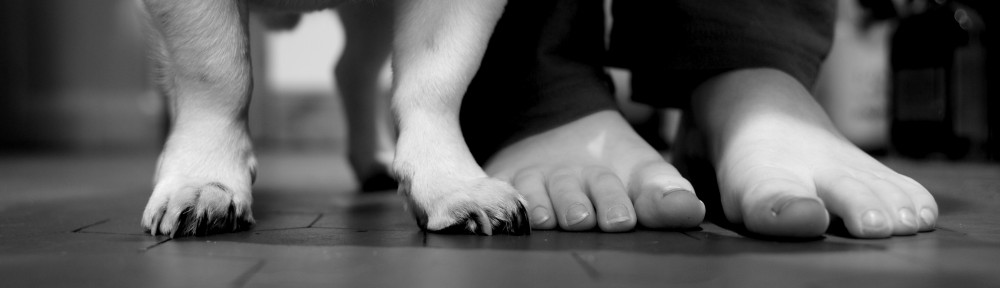
We walk Sid, our scruffy dog, up the road most days to a nature spot called Lightwood. A stunner of a piece of Peak District and the site of Buxton water. A regular and wise wildlife lover, known locally as ‘Mr Lightwood’, was up there on Friday bending over a fence post.
‘Look!’ he said, calling us over. ‘The ladybirds are here.’
Wooden posts with ladybirds. In the middle of winter.
I never knew.

In my book ‘Critical Health and Learning Disabilities’ (including a link to a downloadable plain English summary), I argue people’s impoverished lives and preventable deaths are a form of social murder. We know why and how people die early and nothing is done to ameliorate this. I suggest many are complicit in this, including researchers. Through our work, words, writing, assumptions.
David Abbott’s reflections on reading the book beautifully capture this;
People being denied citizenship, denied life, denied love. Systematically, casually, deliberately. It made me want to cry tears of anger and deep, deep sadness, see my own part in it all and then get on with trying to be a useful ally. That the book is needed is a terrible indictment. The question it leaves me with is what now? It cannot be more of the same.
What now indeedy?
I’ll start with a short series of posts picking over key ideas in the book. Starting with absurdities which remind me of a fridge magnet back in the chaotic and delightfully groaning space when our kids were pups. A Voltaire quote captured in a stark font coated in a neat and snazzy Perspex rectangle fridge magnet accompanied the opening, grabbing and repeated slamming of the fridge door:
Those who can make you believe absurdities can make you commit atrocities.
Absurdities and atrocities. Powerful, important words that seemed at the time to apply to way bigger stuff than us.
Some examples of absurdities from the book…
People with learning disabilities experience baffling levels of surveillance and control across their lives. A chapter on sex and intimacies draws on research documenting open bedroom door policies in supported living effectively inhibiting privacy. A swift snog in a day centre can lead to the removal of one of the loved-up pair. Permanently. There are few opportunities for socialising.
At the same time, around 1 in 4 women with learning disabilities experience sexual abuse. One safeguarding report described how a woman was dressed in ‘high tight knickers’ and locked in her room to keep men away from her. The use of infantile language effectively downgrades consideration of abuse, and resistance to discussing sexual intimacy creates conditions that allow the unspeakable to happen.
There is little support, information or advice to help negotiate relationships leaving people unsure of, or easily persuaded that, intimate relationships and children are not an option. If a woman becomes pregnant she is unlikely to receive appropriate antenatal support and more than likely to have the baby taken from her. Evidence shows family court judges cook the books to ensure this.
Actual evidence.
There is evidence people (a wide range of people) uncritically accept these absurdities without apparent knowledge, sense or clarity. I was a guest with Pam Bebbington on a BBC Access All Areas podcast. The programme ‘The 40 year olds who are in bed by 5pm’ discussed our Growing Older research findings. In relation to 5pm bedtimes, the disabled presenter commented;
But Sara, many of the professional bodies who are looking at the quality of care for older people with learning disabilities might say that the system is working because these people have access to good food, they have access to decent lodgings. I mean, you’ve mentioned many of the problems, but I guess it’s hard for a professional body to say something is wrong if the basic needs are met.
Basic needs met. Nosh, warm home with the cost of a blanket 5pm ‘bedtime’. No whiff of wondering what this might feel like, or what other indignities or worse are inflicted on people who count so little they are systematically denied evening time. Every day.
A final absurdity (for now). The surveillance and control bouncing across people’s lives is meticulously switched off when they unexpectedly die. Mandatory death reporting and investigatory processes do not apply.
The person died of ‘natural causes’, the bedroom door finally closes and those who should be doing or saying something are silent, absent even.
No curiosity. No interest. The recent retraction of the latest, ridiculously delayed Leder report is a classic example of these absurdities in relation to the deaths of people with learning disabilities. No information beyond the retraction and a blanket ignoring* of questions about it from anyone involved (the government, NHS England, three universities and three organisations). Not a dicky bird.
Nothing to see here. Unless you look carefully.
*A caveat to this is the work Paul Scriven has been doing in the Lords to try to gain answers and accountability.
 mydaftlife
Your posts mean so much and the work you do is amazing. I’m in the middle of more failings leaving my 36 year old son with an impoverished life. From episodes of severe constipation, to support workers who don’t even bother to speak to or call my son his name. Basic needs even struggling to be met. I am fortunate to have the skills and motivation to keep on calling it out. Utterly disbelieving when I hear that the Manager of the Voyage Care home has had to actually teach these people how to speak to my son in a friendly way. He is dehumanised. The last 10 years has been hell and is any other residential placement any better as this stuff is endemic. Thank you for your posts.