Everyday life

The fight for justice for LB is consuming. In a good way for me as it distracts from the darkest of dark thoughts. From pain I can’t go near. At the same time, there are everyday things that need to be done. Outside of emails, developments, campaign developments, bombshells, twists, turns, obstacles and the now familiar billy bullshite to deflect and challenge.

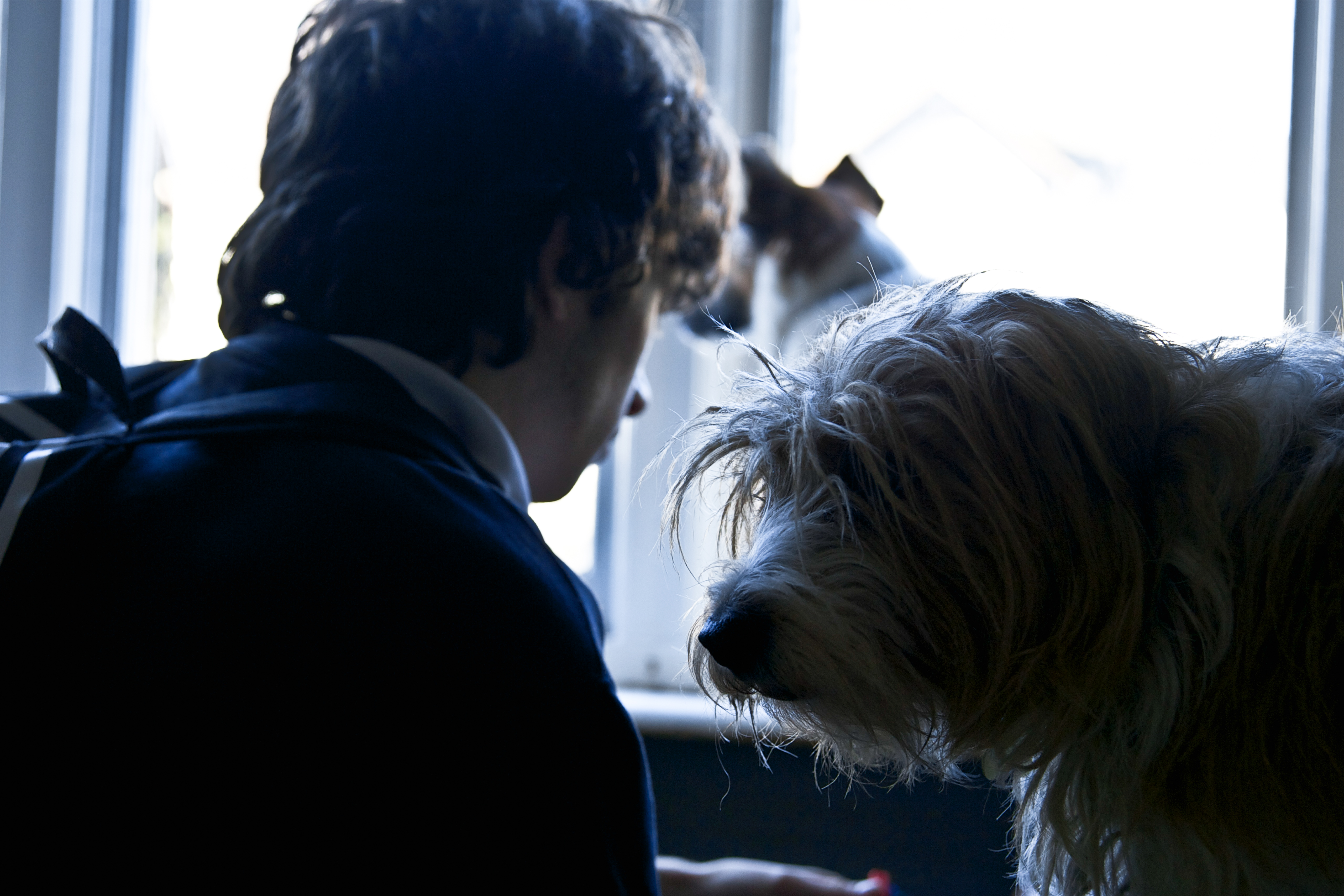
Daily life. Daily life that, for fifteen or so years, consisted of a variable wait every morning for ‘transport’ to pitch up and take LB to school. A wait in which Chunky Stan and Bess kept LB company. Chunky Stan is now blind in both eyes. A development that would have floored us a bit a year ago. When it happened, a few weeks ago, we checked tail wagging capacity, his general demeanour and moved on. He’s a hug/cuddle/sleep kind of dog dude. None of which are affected by a lack of sight. The vet was impressed by his apparently instant adaptation to a non seeing world. A straightforward shift to a different way of being.

What’s missing is LB’s forensic focus and commentary on this development. His concern and desire to repeatedly focus on this change. He’d want reassurance that Stan can’t see any more and to understand why the vet couldn’t stop this happening. He’d probably draw in a few of his favourite characters/people to (repeatedly) comment on Stan’s new situation. Vince from the Mighty Boosh, Smithy, Dirty Harry and the Chief Constable of the Metropolitan Police.

We’ve sort of incorporated Chunky Stan’s sight loss into our everyday lives without much comment. At the same time, there’s a silence that’s cavernous.

With an echo of ‘Is Stan fat Mum?’…


ryan5-147

Wellies, balls and forms of restraint

We seem to be skidding along a narrow, rapidly changing, harrowing track these days. Randomly battered by various players/organisations kicking around. Some crappily and/or awkwardly trying to cover their backs.

On an everyday level the experience is a bit like that Wii goalie game that lobs the odd welly instead of a ball. It was a bit of a chuckle when we played it, a few years ago. Dragging LB into Wii world where he engaged on his own terms. [He was shit and didn’t care].

Now the welly to ball ratio is reversed. We get regular kicks in the face. And sometimes miss, or not fully acknowledge, the odd save.

Odd balls? There are some. There is going to be a review into all unexpected deaths in Sloven’s mental health/learning disability provision since 2011. And an independent investigation has been commissioned into what happened to LB. Outside of the focus on the unit. From ‘transition’ to the rest. (If there’s an obvious change to be made here, it’s bury ‘transition’ and ditch the nonsensical division at 18 between ‘adult’ and ‘child’ services…) But the broader investigation is a good development. Not in a ‘Serious Case Review (SCR)/learnings to be made’ way. But because there was/is so much, so wrong. It needs to be made visible.

In timely support of this, further analysis of the Learning Disability Census was published yesterday. One of those documents that makes you think what.the.fuck?

Just one stat;

56.1% of the 3250 inpatients reported in the census had experienced at least one of the following in the 3 months preceding the census date; self harm, seclusion, restraint, assault or accident.

Over half of patients experienced at least one of the above in three months??? How many people experience any of the above in 12 months?

In a life time?

How many people experience any of these in a hospital setting?

I had a phone conversation with someone yesterday who questioned the use of face down restraint at STATT. Apparently ‘supine’ doesn’t mean face down.

‘Oh.’ I said. ‘Doesn’t it?’ 

Brain screech.

Supine? Are we really differentiating between forms of restraint? 

‘Er. Ok, I’ll check out what it actually was’… I said. Gulping. Remaining heart fragments lined up ready for another smashing.

Supine or prone. Face up, face down.

Yeah. As you’d expect. Bastards.

Media stuff, language and agency

I was struck yesterday about how the death of a young man, Henry Miller, on his gap year in South America made news headlines all day. LB didn’t get into national newspapers until nearly 8 months after he died. Funny really. You’d think a young man left to drown in a bath in an Assessment and Treatment Unit two years after the furore around the abuse uncovered at another Assessment and Treatment Unit, Winterbourne View, would be of national interest. As much as another curly topped young man dying unexpectedly abroad.

Nah. Learning disabled people don’t make headlines. It takes the likes of a Panorama documentary to generate headline news (and then, as we now know, the flames are fuelled by a wedgy of bargain firelighters, fizzling out before you can say ‘Jack squit’).

The label ‘learning disability’ too often strips away any consideration of being human for those who have no experience of being or living with a dude like LB. Including those who work in health and social care with dudes and their families. To below pet status.

A second ‘story’, this week, of three young children found dead in Malden has generated the usual shite coverage attached to these sorts of ‘happenings’ (we know nothing of what happened or why). This coverage again reveals the prejudice and entrenched beliefs of some journalists and editors. Barbara Ellen’s piece today is an example; littered with ‘plight’, ‘suffering’, ‘lone parent’, ‘the disabled’, ‘exhaustion’ and sweeping anecdotal statements.  She ends with a call for others to do the anger and shouting on behalf of these “exhausted families”.

Eurgh.

‘Whatcha moaning about, Moaning Minny?’, some of you may be muttering. ‘She’s saying there ain’t enough resources for families…’

Nope. There ain’t. But couching this story in this way (abject misery, suffering and disempowerment) feeds and sustains a view that having a disabled child is shite. And, by default, the killing of the child/ren is a ‘different sort of killing’ because the ‘disabled child/ren’ (who is/are pushing these families to extremes) ain’t fully human.  It’s simplistic, patronising, and completely ignorant.

I’m off to chat with Pat this week as she’s contributing to #107days. Another older parent, Shirley, left this comment here yesterday. Both women are in their 80’s and have dudes whose life experiences have been consistently challenging because of appalling (or non) provision of services. I don’t know if either would describe their experiences as “less of anger and more of terror”.  And I wouldn’t want to make such a pronouncement in a national newspaper, based on anecdotes from my partner’s work.

I’d guess, from our experience and families we know, it would be more around despair, rage and bafflement that loved dudes (and others) are judged to be less than human. And treated as such. With no recognition or understanding of who they are, as people. And, as an outcome, a complete lack of appropriate support to help them lead fulfilling lives.

Stuffing these experiences into either ‘not worthy of news coverage’ or, in the rare incidents of parents (allegedly) killing their dudes, rushing for the ‘long suffering parent’ (and, by default, denying the children their humanity) angle, is shoddy, careless and ultimately dangerous.


A question for health and social care

Ok. Here’s the gig. Rich and I (and others I know) are genuinely puzzled/baffled at the mo. This is a bit of a lengthy post but worth a careful read. If you have time, I’d also recommend reading today’s #107days post where Sally Donavon talks about related issues. The question is at the end and it would be great if professionals could try to set aside their bureaucratic goggles and think about this in purely human terms.

First, a summary of issues and actions:

  1. Abuse at Winterbourne View exposed in 2011. Action: fancy (concordat) talk, no real action
  2. In Oxfordshire, learning disability services provided by Sloven, jointly commissioned by the Clinical Commissioning Group (CCG) and Local Authority (LA), are known to be poor since 2011. Action: ineffectual meithering, cosying down together 
  3. LB drowned unsupervised in the bath. Action: (attempted) carpet sweeping
  4. Independent report by Verita concludes there was opportunity and knowledge to prevent LB’s death. Action: unclear 
  5. Three failed CQC inspections in Oxon. Cherry picking lowlights; denial of basic healthcare standards, patients forced to shower without shower curtains and use a mobile toilet in staff view; illegal deprivations of liberty; lack of basic staff training/therapeutic environment/hygiene/battery in defibrillator/record keeping; out of date medication and oxygen; inadequate staffing levels;  inadequate (dangerous) premises. Action: enforcement warnings
  6. Monitor investigate and find various potential breaches of Slovens licence including due diligence around their takeover of the Ridgeway Partnership in November 2012, knowing there were issues and not addressing them. Action: enforcement action

Now I ain’t no rocket scientist but it seems pretty obvious to me that 2. and 6. directly contributed to LB’s death and I’m not sure how the Sloves can repair this breach in due diligence eighteen months on. It also seems glaringly obvious that there’s no proportionate relationship between what happened and what’s been done in the 10 months since LB died.

Yesterday, Sloven Chief Exec (of the Year/Health Services Journal (HSJ) inspirational leader), Katrina Percy, spoke on local television/radio. She seems to have swallowed a brand new chapter from the Sloven jargon manual (probably inspired by Bill Mumford’s new involvement in sorting out Oxon provision) which focuses on a shift to community based services. The problem (now), other than the ‘buildings’ (?), is that ‘the right staff’ are working ‘in the wrong place’ (inpatient rather than community settings). Worryingly, the new line seems to be that all problems will be solved by shutting the units and ditching the patients in the community where staff, who couldn’t give a fuck before, will transform into engaged, informed, motivated and caring workers.

Her response to 2-6 above is; ‘it’s not about [staff] neglecting patients but about not operating in the most modern way that they need to‘. Eh?  Oh my giddy aunt. Not neglect? The most modern way?? What definition of ‘inspirational’ were you using at HSJ Towers??

She insists she wants to listen to the people of Oxon (cue Dambusters again) and hear what they have to say about services…

Climbing back down from the glitzy and glamorous world of awards and inspirational leadership, and sidestepping the whole modern/neglect thorny issue, here’s a tiny glimpse of current life for a few dudes/families in Oxfordshire:

  1. One of LB’s classmates has been living outside of Oxfordshire for over two years since he was sectioned at the age of 15. His parents travel to see him every other weekend in Newcastle.
  2. A second classmate’s first ‘adult/transition’ appointment with the Sloves a month or so ago was so poorly handled/ill prepared for by a Sloven psychiatrist (who was involved with LB) that his family made an official complaint.
  3. The family of a third young man who died in August 2012 have not been given a copy of the Sloven internal investigation into his death. Allegedly it would be too distressing. The inquest into his death has been delayed to allow more evidence to be gathered.

So, what we’d like to genuinely ask the Slovens, the CCG, the local authority, the CQC, NHS England, the Department of Health, Monitor (anyone really) is:

Given 1-6 above, can someone tell us clearly and precisely what would have to happen within health and social care provision to generate a response that is proportionate, swift and meaningful?

Love tennis in health (and social care) towers

Another bad news day for the Sloves. You’d think. This morning the legendary Gman (and team) broke the news on BBC Radio Oxford (available at 1:03ish for seven days) that a third CQC inspection into Sloven learning disability provision in Oxfordshire had failed.

[Warning: the next two paragraphs (in italics) are deeply disturbing.]

The inspectors found the building wasn’t fit for purpose and a patient had nearly died in the seclusion room. The bathroom in the seclusion room was locked because there was a ligature risk with the taps. This meant patients had to use a temporary toilet in full view of staff. (For how long?)  

One dude still managed to tie a ligature round his neck and was found having a seizure which required hospitalisation. This ‘incident’ wasn’t reported to the safeguarding agency because the “situation had been discussed with Oxfordshire Commissioners as to whether it was a SIRI as ‘the person did not sustain any actual harm’”.

The rest of the inspection was reasonably positive as the CQC bod seemed keen to point out on the radio. The Gman, with characteristic crap cutting, instantly responded that’s how it should be…

Does Sloven H have a problem?‘ he asked. ‘Er yes‘, answered CQC bod gingerly. Adding that the Sloves were unaware that there was a problem with the building. Bit too apologetic really. Especially as the report states that the Sloves did know and did nothing. Typical of their (non) action since taking over the Ridgeway Partnership with known problems back in November 2012. Not a great model when you’re supposed to be caring for very vulnerable people. Knowing and not doing.

Only a few hours later Monitor (the health service regulator) issued a press release. A press release that’s a lesson in something. Dunno what.

Southern Health NHS Foundation Trust has agreed to urgently implement a series of improvements in the quality of care that it provides and to how it is run. […] Paul Streat, Regional Director at Monitor, said: “The trust has failed to act quickly enough to improve services in Oxfordshire and must get the right processes in place to ensure action is taken to fix problems quickly. The agreement we’ve reached today will see the trust deliver real improvements in its services and will make sure that this continues in the future.”

Astonishing, numbing, nothingness. ‘Have they been hacked?’ I puzzled. Staring at the screen. Thinking about LB. The other dudes who were placed in high risk situations in Piggy Lane and Evenlode. The lack of ‘therapeutic environments’ and right to piss and shit in privacy.

Nope. Over at Sloven Towers, KP speedily bounced a love ball straight back ’em. Ending with;

“I fully understand why Monitor has raised their concerns and I welcome the opportunity to work with them to demonstrate that the issues they have identified are not an ongoing cause for concern.”

If I did my job so badly that (at least) one young person died and a second came seriously close to death, I kind of hope there would be a bit more than “reaching an agreement” around “improving services” with the industry regulator. And I hope I wouldn’t be insensitive enough to wank on about how I welcome the opportunity to work with them. KP, once again with weariness, this really ain’t about you.

Sadly this press release love-in seems to illustrate the stage we’re now at in this long, foul, unspeakable journey.  Pretty much everyone implicated seems to have joined forces to protect each other. Entrenched deflection. Denial. Deceit. Spin. And empty words. Oh, and seemingly unlimited (public) resources to draw upon to avoid any accountability.

Classy. As always.

Imagined futures

Rich and I were talking on the bus to town earlier. Rich remarked how there was no ‘loss of potential future’ narrative in any discussion or coverage since LB died.There was no imagined future for LB.  He’s not presented or seen as a young man ‘who hoped to become a mechanic’, ‘hoped to go to university to study x, y or z’  or ‘dreamed of running his own business’… He didn’t have an imagined future unlike many other young people who die unexpectedly.

We’re implicated in this.  I was looking into a social enterprise gig because I strongly thought LB should work. But that effort was half arsed really in retrospect. I don’t think I fully appreciated his potential. I loved him to bits, loved his quirkiness, his special interests, his engagement, artwork and humour. But I don’t think I reaIly believed these talents, skills and abilities translated into ‘mainstream’ life in a meaningful way. I was trying to kickback against the only future that appeared to be open to him; “independent supported living”, whatever that meant, with budget bunfights, variable support and isolation.

Now, sadly, I clearly recognise what he was capable of, his exceptional talents and how much potential he had. The response to #107days underlines this. With support, encouragement and a more flexible society he could (should) have had a range of imagined futures. If we hadn’t been browbeaten into a position of expecting fuck all and dreading worse, we’d have been better placed to help him achieve these.

At the same time, I’ve noticed how spot on the champions from My Life My Choice have been in their response to what happened. They’ve cut through the crap, have no agenda other than to highlight how LB should never have died and tell it like it is.

So much so wrong. And so much blinking right that ain’t recognised.


ryan5-141

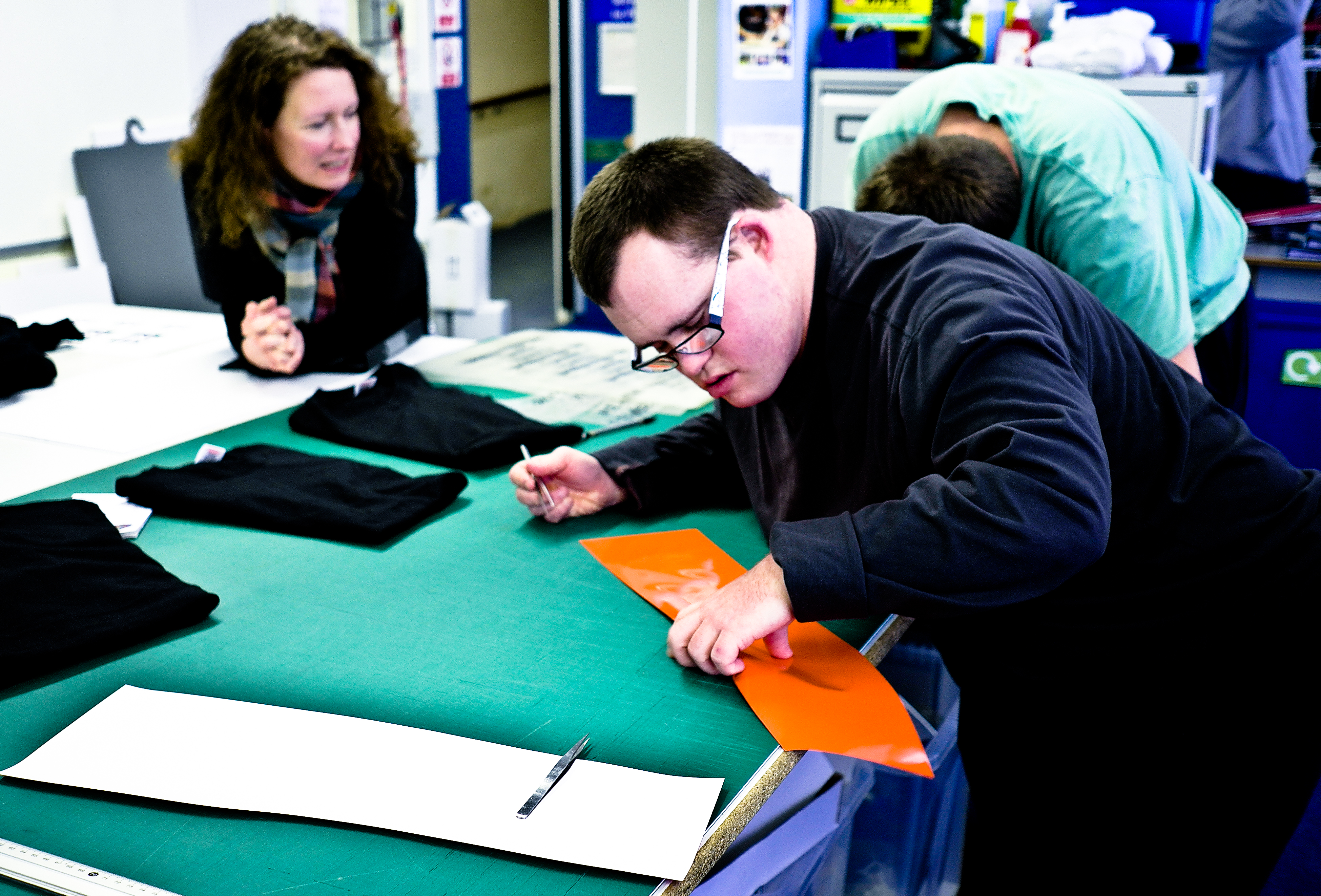
Customising t-shirts at http://www.propsforward.org/


Small candles and candy crush

I had a conversation this morning about the Winterbourne View Joint Improvement Programme and proposed changes to learning disability provision in Oxfordshire. I have a bit of a problem with both endeavours. The first because it ain’t really achieved anything and the second because I suspect it won’t.

I won’t say much about the Winterbourne gig other than, yes, it’s good that the ex-patients are being well looked after by the Improving Lives Team (small candles, I was told, that are important). But there are an unknown number of dudes who have (and probably are) experiencing abuse or neglect in these hellholes (and in other spaces) without any attention or apparent reflection. Getting people out of inpatient units is the priority for the Winterbourne programme but there seems little or no reflection or consideration about the impact of the experience for those people who have stayed in them.

LB’s mate James, for example. Despite the authorities knowing about what happened to him in a unit in Norwich where he spent six months of his mid teens, he and his family were offered no support to help him recover (if that’s possible) from such brutal NHS inflicted treatment (not treatment in the medical sense). And his parents have got nowhere in trying to get some sort of accountability for James’ experiences in the unit. How can this be?

A random thought I had in the nine months since LB died was that James, and LB’s other peers, would get a bit of a gold plated service in Oxfordshire to get em through transition and hopefully set up in better spaces. A fit and healthy young man dying (dying???) as an outcome of completely shite provision would shake up the relevant bods/organisations to look lively and do their jobs properly.

This was so off the scale of naivety I wonder what the fuck I was thinking. Particularly given that LB’s death didn’t spark any ‘action/change’ in the unit for 8/9 weeks till the CQC pitched up. The Sloves and others really don’t have a clue how completely crap they are. James’ transition meetings in the past few months have been singularly and shockingly poor.

I dipped into an old favourite book earlier; Charles Lemert’s Social Things. He says in the now dated edition I have that ‘the oppressed are better practical sociologists and, possibly, the only ones truly awake to the social world’. Yep. I hear practical sociologists all the time in the form of dudes, family members and carers talking complete sense about how things are. And what’s wrong/what needs to change. I talked to Pat again earlier today. She’s now 83 and still fighting to try and get her son proper support. After sixty odd years. Sixty years???

There’s a malaise in the structure and culture of services. No one really has an inkling of what ‘good’ looks like and crap (or worse) is the default position. Not crap through any intent (necessarily) but crap through a complete lack of recognition that dudes like LB and James are young people. With their whole lives ahead of them. Same as the sons and daughters of the myriad professionals who work in health and social care. But. Of course. They ain’t to those professionals.

A draft project brief for changing services in Oxfordshire has been produced by NHS England, again, probably with good intent. I can’t understand a word of it. It’s just a tumble of jargon and nonsense; ‘pathways’, ‘quality’, ‘deliverables’, ‘interfaces’ and ‘dependencies’… Complete gibberish. We’re talking real people, with real lives (well other than LB of course) and families/carers. This isn’t only dehumanising and distancing language, it’s also stifling and blinking boring. Where’s the innovation, the creativity, the engagement, the celebration, the aspiration? Why, in the professional sphere, are the lives of learning disabled people so fucking cloaked in shite?

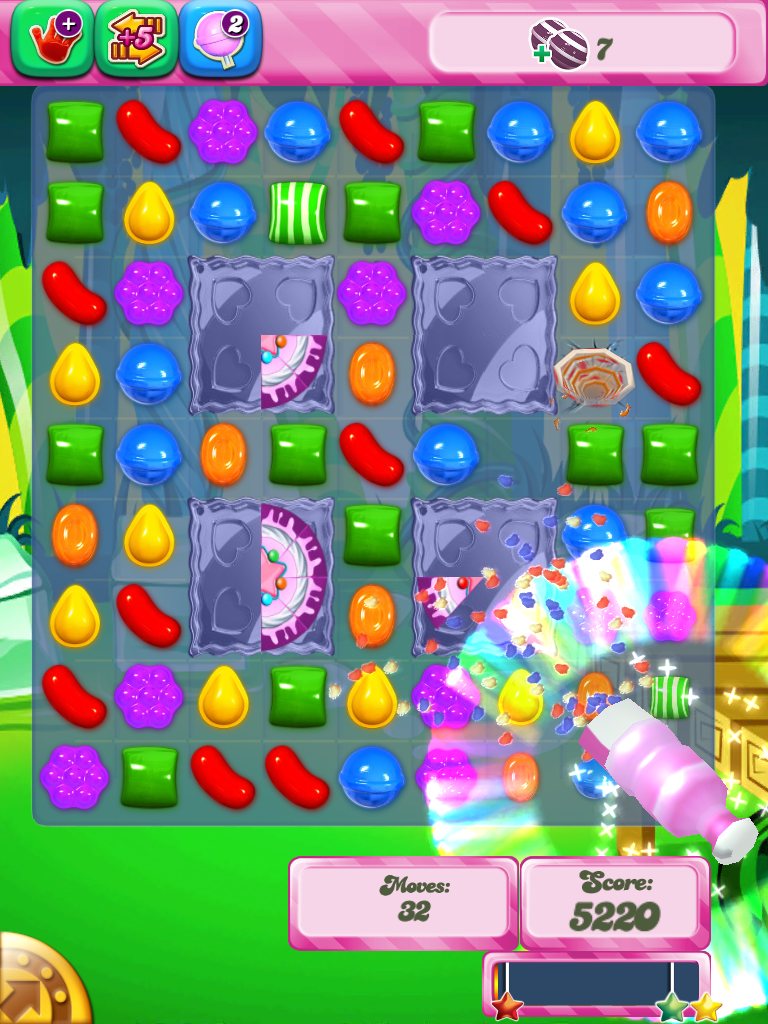
I’m a candy crush hound at the moment. I started playing it the week before LB went into the unit and I find it distracting, absorbing at a superficial level and enjoyable. I’m at a level (won’t say which one as I don’t want to incite envy or ridicule) in which a party popper comes out and blasts away the whole board of candies. Every time it happens (because I’m stuck at this level) I think about how this is what’s needed. The whole fabric of learning disability provision in health and social care needs to be blasted away. And replaced with a fresh and flexible system led by the practical sociologists – the dudes, families and carers – who actually understand. And recognise.
photo

photo (1)

Two little drops of brilliance

Day 28 of #107Days adopted by kara2008 is about little drops of brilliance; ‘the brilliant little things people have done to help [our dudes]’. Well there have been a lot of little drops along the way but two who spring to mind are Big Sue and Tina, two teaching assistants at LB’s school. These two (among exceptional staff there) have a love, commitment and determination to make sure the dudes have a great time and experience stuff they may not otherwise. The stories they have to tell about their exploits and adventures are both hilarious and heartwarming. An early morning trip to Blenheim Palace to visit before it was open to the public became an exercise in logistics as there was no wheelchair access and quite a few stone steps to negotiate. This was no problem for our top team but they did say, once in, they hadn’t thought about one dude who loved to lick furniture. They’d brought him to the equivalent of a sweetshop.

LB loved em both. Tina took him travel training and Big Sue pretty much everywhere else. When he developed an interest in mermaids, Big Sue drove him down to the river at Marston where he sent his message in a bottle. He received a reply from the mermaids, some shells to put under his pillow and, over time postcards from various sunshine spots around the world.

ryan5-127

When LB was in the unit, Big Sue, Tina and other school staff did their utmost to enable LB to do the activities he’d always enjoyed. He clearly didn’t want to attend school any longer but they were prepared to pick him up and drive him directly to Trax and the farm. Big Sue was at Trax with LB the day before he died. He loved it as always. Working on his Nissan engine.

After LB died they asked if they could be pallbearers at his funeral. Sticking with him to the end. And dressing to perfection.

Two drops of brilliance. #107Days
ryan5-126

(Not) lost in translation and the Carrefour

Funny old five days at a symposium on ageing in Toulouse last week. Intense, lengthy,
(largely French) sociological theory saturated talk and discussion.  This proved challenging for the translators, Julia and Luke, up in a viewing box above the auditorium. Translating for the small number of non-French speakers.

The days were long. Punctuated by buffet lunches made by women from a local
refuge. Delicious flans, salad, red wine and more discussion. Time wasn’t important though it was a feature in many presentations.

I stayed in Toulouse when I was about 15. On a French exchange trip. I remember the
municipal pool, Murray Head and the Carrefour. On this trip I travelled from the university by Metro and bus. Past the neighbourhood I stayed in all those years ago. To the hotel. Across the road from the Carrefour.

I thought a bit about my pen pal Valerie on these journeys and tried to imagine what she looked like now. Or if I’d recognise her parents among the passengers on the bus. I
remembered her elderly grandad who lived with them. How he’d take his slippers
off after each meal and rub his feet carefully and methodically on the floor.

Saturday afternoon, the Swiss academics stepped up. Discussing frailty, fragility and ‘handicap’. Up in the translation box, Luke was alone. The translator two had become one. There were pauses in translation. One presenter, talking about the experience of Alzheimer’s disease critically raised the argument that if someone has ‘gone in the head’ [quote] they no longer have an identity.

We came back to this in the questions. The presenter talked about the ease with
which people can be treated as not fully human if they’re thought to have no ‘identity’. The translation faltered and stopped. The person next to me summarised the remaining discussion. Five minutes condensed into one. It was to do with violence, power and vulnerability. And the responsibility we all had to challenge the way in which
certain people are treated.

The next morning I walked across to the Carrefour to buy some sweets to take
home. It was shut. On the way back to the hotel, passing some elderly people, my
rage again grew at LB’s death. And how it captures and symbolises the complete lack of regard and worth attached to certain people.

ryan5-124

Too never ever for Neverland

Discussions over the last couple of days, with Rich, Rosie and others have got me thinking about what’s happened since LB died in terms of (official/professional?) support offered to us. And how if LB had been murdered, died in a road death, mass fatality, or any other ‘critical incident’, we would have had a Family Liaison Officer.

The National Policing Improvement Agency states;

“Family liaison is, without a doubt, one of the most demanding roles performed by the Police Service. It is also one of the most important because it is one of the the most significant relationships that we develop with the families of victims, at one of the most difficult times in their lives”.

The Family Liaison Officer role involves conducting appropriate investigation and the human rights of the family. Acting as “a channel for welfare, occupational health and support”.

Wow.

Now I don’t know how this works in practice. Maybe it’s shite. But I suspect not. When your child/relative dies a preventable death in the NHS you aren’t a ‘family of the victim’ for several months or years (or ever). Until that ‘preventability’ is established. You ain’t really anything. Even though you’ve experienced the same brutality as any of the criteria above. A brutality that is arguably worse because you thought your child was in a safe space. With people who cared.

So no Family Liaison Officer. To look out for our human rights, and welfare. Instead we were Ieft pretty much alone with varying crapshite communication from the Slovens. We got a letter a week after LB died from the Acting CEO. After running through the distancing “deeply saddened and sorry to hear of the death of your son” (as if it was the last thing she might have any responsibility for), she finished with the meaningless and completely throwaway sentence;  “If there is anything we can do to help or support you please do let us know”.

Hi Acting CEO… We’re all kind of falling apart at the seams here and struggling to hold onto anything. Not really in a space right now to think what help or support we might need. In fact, we can’t think of fucking anything other than being forced to think about coffins, clothes, flowers and cremation/burial for our dude who should never have died. Can you even begin to imagine that? Agreeing to switch a machine off that is fakely keeping your child alive? After he’s drowned in a bath in a specialist unit that you are responsible for? 

But hey, thanks for the letter.  

It was apparent to us from the moment LB died that his death was preventable. But the only support ‘offered’ to us was from an organisation (with others) responsible for his death. How can this model possibly work?

A recent report by the NHS Never Events Taskforce takes a sensible and informed approach to how the NHS should respond to so called ‘never events’. It encourages imaginative forms of ‘restitution’ such as offering practical and therapeutic help. And the importance of making ‘sincere apologies, not what looks like a standard letter from the Chief Executive’. The old Sloves may have an award winning and inspirational Chief Executive (stay classy Health Services Journal/judges) but they don’t half shine when it comes to exemplary ‘how not to treat families when you’ve let their child die’ actions.

But LB’s death didn’t even count as a ‘Never Event’.

It was too never ever for Neverland.