Legacy, power and the in-between bits

On Friday a Craft Activism day was held as part of the Oxford Brookes Think Human festival. The #JusticeforLB quilt was on display for the first time in 18 months and Janet Read, one of the quilting team of four, was a presenter. Other presenters included Karen Nickell talking about textile art during the Troubles in Northern Ireland, and Roxanne Ellis, who founded the Women’s Quilt celebrating the lives of 598 women killed by men between 2009-15.

The event was held at the Avado Gallery in Oxford.

It was blooming moving and powerful listening to Janet tell the story behind the making of the quilt.
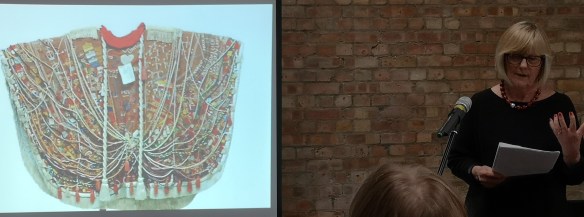
Concerns about whether it may turn out to be a #JusticeforLB tea towel if not enough patches were sent. The bundle of patches from the Messy Church group arriving with still wet glue. Letters sent with stories and concerns around whether patches might not be ‘good enough’. The stretching of the patch size template… The small detail that Janet, Margaret Taylor and Janis Firminger had never made a quilt before.

Janet said when they first laid the patches out on the floor, they realised they had been given a gift. And cried.

IMG_20180525_140925.jpg

Janet’s sister Jean Draper, a textile artist, was drafted in to help and the just under 300 patches from people aged 3-80 were transformed into a quilt of beauty, spontaneity and power.

IMG_20180526_193100.jpg

During Janet’s talk I began to think about the in-between bits of the quilt. The individual patches have kind of eclipsed the quilting work. The joining together of different shaped patches into a spectacular whole and the artistic endeavour this involved.
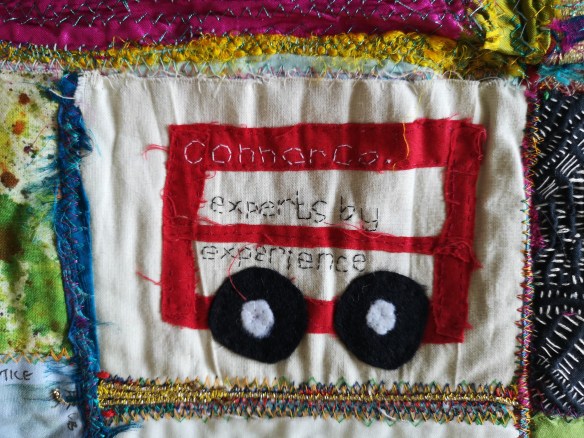
IMG_20180526_201841.jpg

Karen Nickell earlier talked about how invisible much textile art is, stored away in suitcases or attics. Undervalued within the art world (or dismissed as ‘soft furnishings’). The enormity of this quilt, like other objects of protest stitching, was breathtaking. Joanne Begiato rounded the event off reflecting on the ‘time traveller’ dimension of these objects which have a power beyond those who make them.

Bang on.

A Doughty Street gig

A couple of weeks ago I was involved in a Doughty Street evening event about strategic litigation. I didn’t know what this was but Kids for Law have helpfully produced three short films explaining it; using the law as a tool for social justice. I was asked to speak about the legacy of #JusticeforLB.

‘Ooh er’, I thought. ‘Legacy?’

The (attempted non) publication of the Leder review weeks earlier came to mind. How committed journalists worked to make a ‘buried’ report newsworthy. How editors were willing to take a punt on the unseen report. The passion and dedication demonstrated on that dark day.

This is an example of the legacy of the extraordinary efforts of families and allies to make the premature deaths of their daughters, sons, sisters, brothers, aunties, uncles, parents known and cared about. These issues have become more prominent, connections have been made, networks developed and countless people have stepped up to collaborate and be counted.

Another example is the truly wondrous pop up #CaminoLB walks that took place across the UK when we were walking the #JusticeforLB bus to Santiago. I can’t describe how moving it was to facetime brilliantly cheerful groups of people, many of whom had never met before, from the Camino. London, Cheshire, Kent, Devon, Birmingham…

Legacy is an important strand of social action I learned during the evening. Or steps made can wither away. I suppose, like the quilt, it’s now about looking beyond the headline patches. We can’t bottle the magic of #JusticeforLB but we can certainly start to think a bit more about the in-between bits. How it worked and why.

Dancing around death…

Ben Morris, the STATT unit manager, was suspended for 12 months today at the beginning of the Nursing and Midwifery Council hearings. He admitted 17 charges and ‘accepted his fitness to practise as a nurse is impaired because of his past, serious misconduct’. I read the consensual panel determination (a 43 page document capturing the charges, admission of guilt and the now typically late to the table remorse) over the weekend.

More pieces added to the map of we’ll never ever know.

Morris offered no explanation as to why he didn’t do the things he should have done (other than ‘working’ beyond his skill set). He didn’t blame anyone.

The shadowy figures of clinical commissioners and Oxfordshire County Council dance around the edges of these documents. Again.

Quality reviews screaming ‘ACT NOW’.

Ignored.

Why the fuck didn’t you do something?

No engagement. No interest. No care.

Hollow, brutal and public erasure of humanity.

#Leder review


Entering the labyrinth; a leder tale

The leder report was published on Friday 4 May. Three years of the Bristol University project reviewing the premature deaths of learning disabled people.

[Blog commentary by Mark Neary, Mark Brown, two posts from Chris Hatton here and here. Opinion piece by Ian Birrell here. All worth reading (in any order).]

Key issues

1. The findings of the report (shameful).
2. The underfunding of the work (shameful).
3. The attempts to bury the report (shameful).

Here I reflect on the opaque and confusing labyrinth seemingly designed to make the premature deaths of learning disabled people disappear.

A song with no title 

No one knows what leder stands for. Including ‘go to’ Google.

leder

A (non) communication strategy

The report was finished in November 2017 and has been sitting in the grimy halls of NHS England while a communication strategy was devised. This took the shape of ‘timing, timing, timing and no communication’:

  • Bank holiday weekend and local election results.
  • No advance copies for the media.
  • No comment from NHS England or the Bristol team.

There would be no comment.

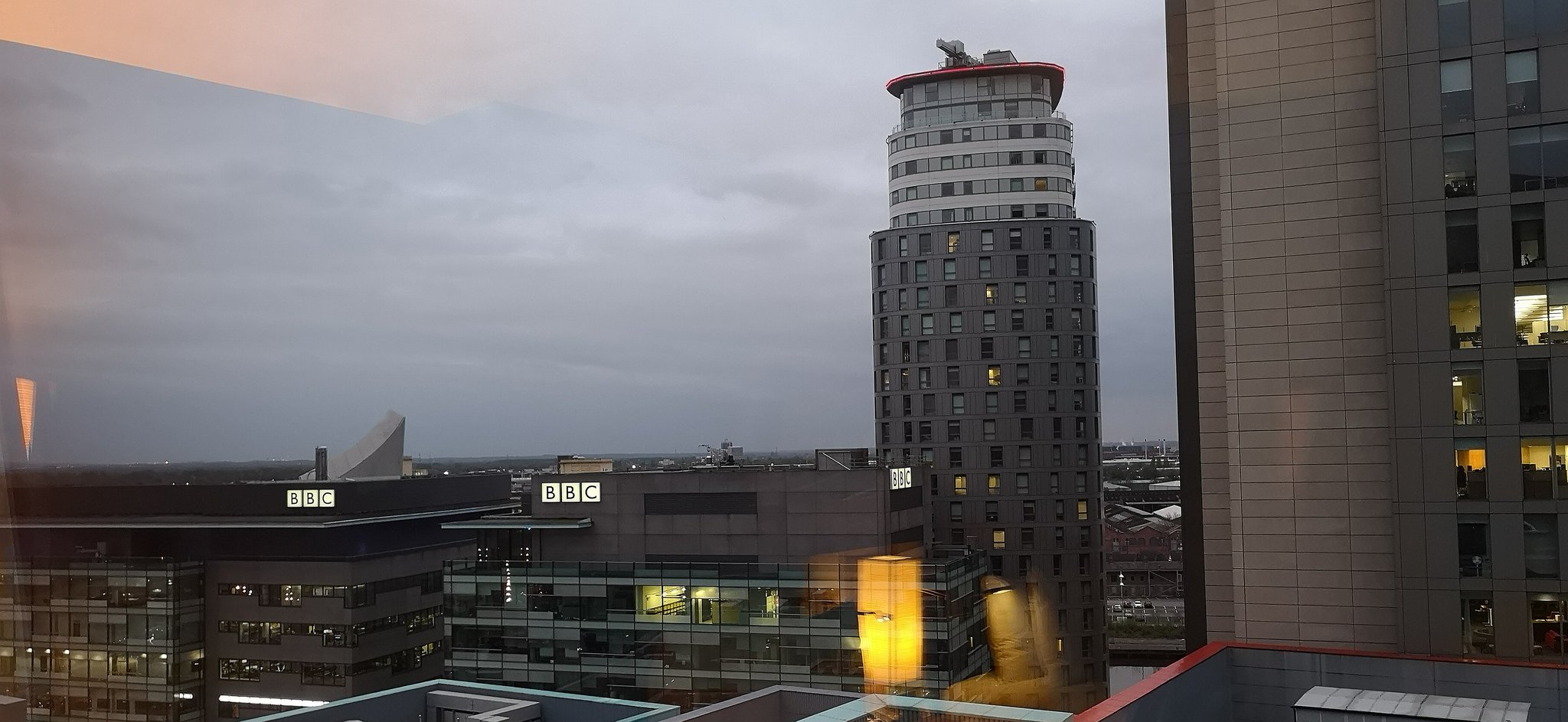
Holed up in the Holiday Inn Salford opposite the BBC studios on Thursday night there was no advance copy of the report despite repeated requests and cajoling from journalists.

I was sent a sneaky few bullet point findings to digest.

I went to the bar.

The coverage

8am-ish after fear-interrupted sleep still no public sign of the review.

Waiting outside the BBC Breakfast studio on the second or third floor, a 4-6 minute dash to the booth in the foyer for patching into the Radio 4 Today show was explained to me. Sofa to booth. Live coverage. Of premature death.

No report still.

The order was reversed. I beetled downstairs with Jayne McCubbins (who was instrumental in the coverage that unfolded). We worked out how to turn off my new phone, donned massive headphones and waited. In the small, darkened space. To speak to the Today programme.

The presenter wasn’t versed in the implications of the report. Jayne provided the headlines then I was asked about LB.

Nope. Don’t coat this scandalous evidence with a gratuitous dose of pity porn.

No.

It was a fairly tense interview. At the end a response from NHS England was read out. [Their only response to date.]

We welcome, they say, this interim report, the first of its kind in the world. These early lessons will feed into hospital and community services work including early detection of symptoms of sepsis and pneumonia prevention, constipation and epilepsy where there is significant progress. They go on to say another £1.4m more will be spent this year so that those responsible locally as well as the University of Bristol and NHS HQ can ramp up the speed and number of reviews.

There’s not much to say about this statement other than the absence of the gravitas, sensitivity, concern and commitment to action you would expect. A report that should have generated immediate and unqualified responses by the government, NHS England and others.

Ramping up the speed.

Ten minutes later I was on the red sofa with Naga and Charlie. They asked relevant, important questions.

“Who is listening?”

No one.

The label of learning disability is now the equivalent of being diagnosed with a life limiting illness. This report adds further evidence to a bloated evidence base.

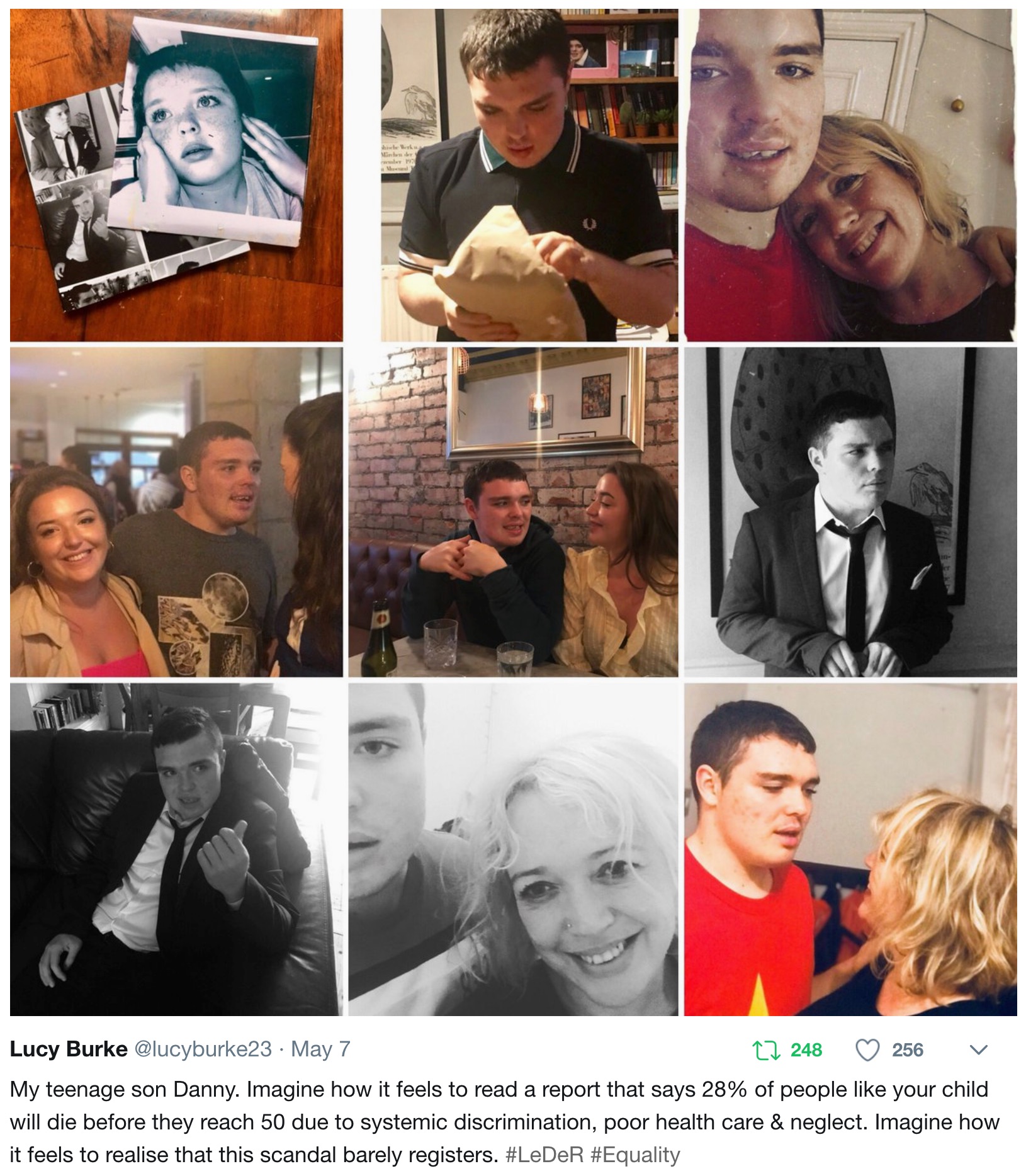
The coverage that morning is generating the saddest (powerful) tweets from various families. George Julian is pulling them together here in a twitter moment.

Including Danny and Joey.

An urgent question and a bolt for the door

Today Barbara Keeley MP raised an urgent question about the report. Jeremy Hunt legged it as soon as she stood up to talk. An extraordinary moment. All that talk on December 15 2015 when the Mazars review was leaked to the BBC. Pomp and promises. The world leading champion of patient safety…

He left. He walked out. He couldn’t spare 20-30 minutes of his time to engage. His myopic and dangerous lens never more visible in this action.

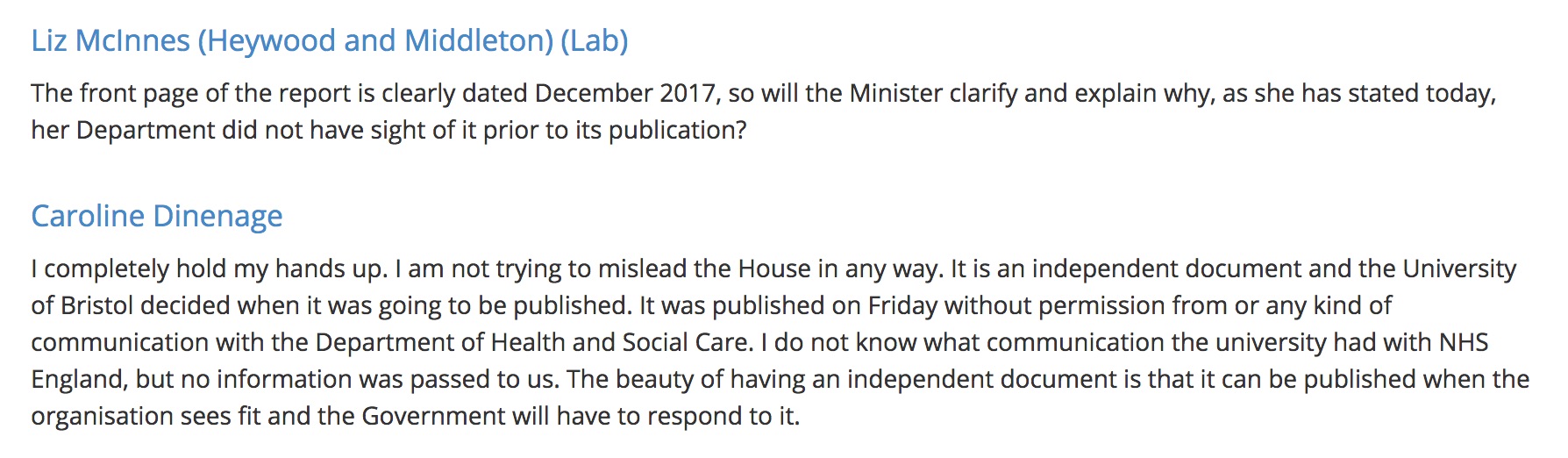
The hapless and hopeless Caroline Dinenage was left to fend questions. The Minister of (no) Care. Parroting ill-informed and vacuous responses. It was a hard watch. The full transcript is here.

Questions were asked about the content of the report and the publication timing.

The Bristol team finally burst into action. Tweeting to say no, this ain’t true.

Too little too late

I’ve puzzled over the role of the Bristol team here. As a researcher myself. We’ve long known about the challenges the team have faced with a paucity of funding and unrealistic expectations. They have, in some ways, done the best they could do with that level of challenge. The problem I have is with their lack of challenge to the challenge.

Only 8% of the 1300 deaths referred to the team have been reviewed so far.

1300 people. With families, lives, history and stories. People. With mums, dads, sisters, brothers, grandparents, cousins, aunties, uncles, friends, pets. People. Some with no family. Still people. People.

Erased.

Rubbed out.

By an underfunded project that couldn’t cope with the number of people.
By the Bristol team who stood by.
By the actions of NHS England who remain silent (and so much worse).
By the action of Dinenage who was prepared to stand up and defend the indefensible.
By the silence of Jeremy Hunt.

Violence, silence and erasure.