Looping the loop

Gearing up for the inevitable/seemingly obligatory ‘x weeks ago…’ countdown. The screaming ‘If only…’ The relentless, grinding background loop of ‘Wha?? Eh???? LB??? How could this happen?..’

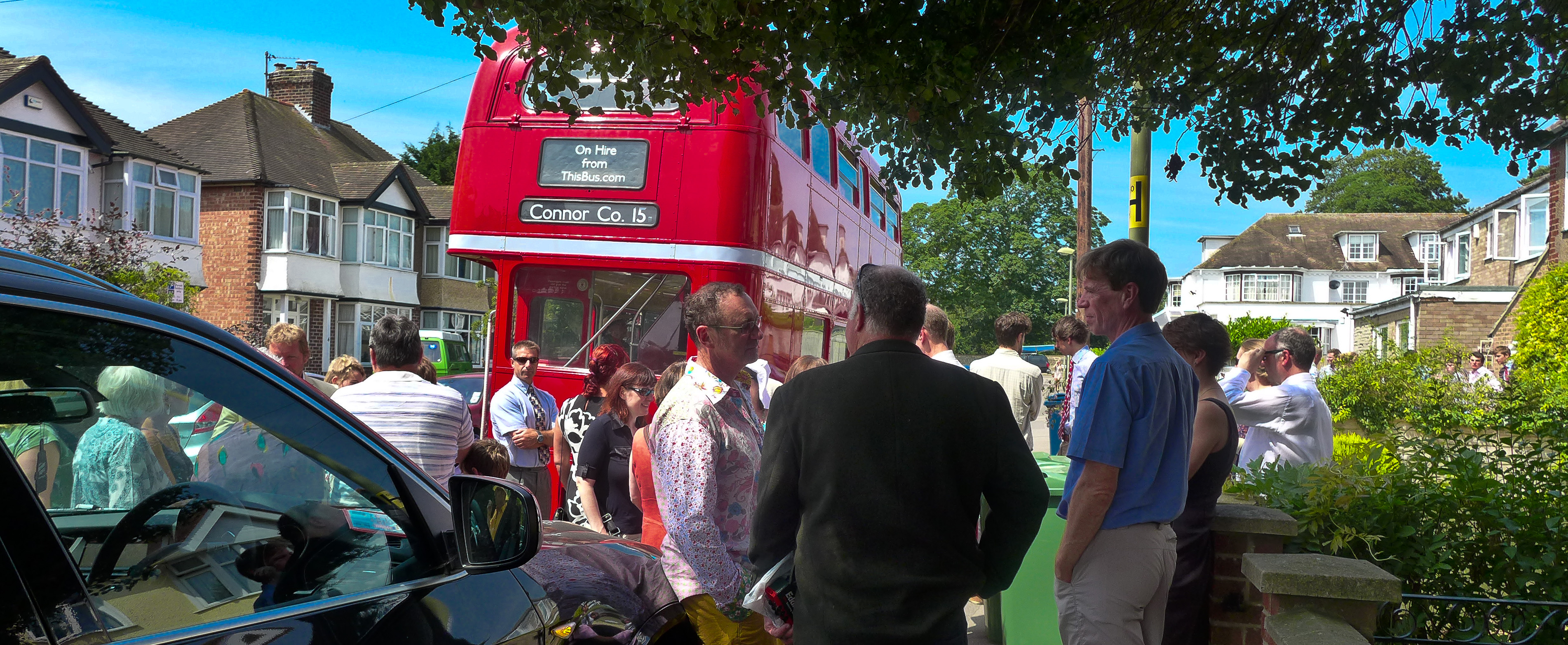
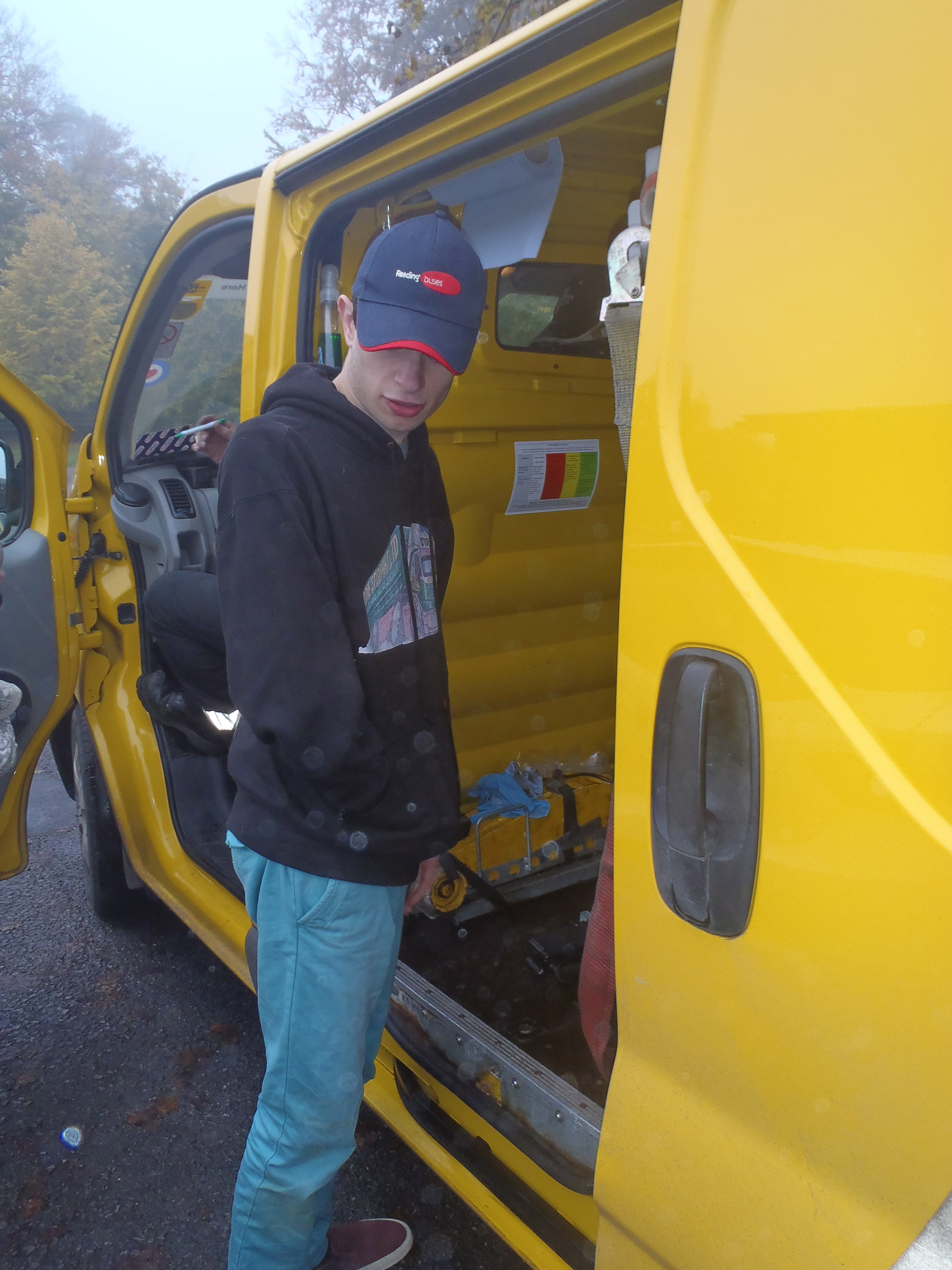
OLYMPUS DIGITAL CAMERAI feel an intense sadness that he had a visit to the Oxford Bus Company planned that day. A trip that Sue (Charlie’s Angel, pallbearer, mermaid facilitator, teaching assistant extraordinaire) had magicked months earlier. In the same way she managed to get lorry drivers/AA mechanics and the like to give LB a tour of their trucks/vans/equipment on the roadside. With accompanying photos. One of life’s understated, gold plated doers.

The Oxford Bus Company. An outing that never happened because we lazed around. Careless with the time we had. Time that was eaten up with nonsense (and ultimately pointless) meetings/interactions about (non) care, (non) support, non anything. With a dose of full time work and broader family life. We lost sight of what was important to LB. And then we lost the opportunity to make this happen.

I feel anger about the way in which families/carers are typically pitched into this space of opposition to any sniff of support and services because these services are so rationed/difficult to access/inappropriate/pointless/inaccessible or any one of a hundred other reasons. This becomes magnified once dudes turn 18 and family love, understanding, knowledge and interactive expertise is sidelined. This space is all consuming, exhausting and unnecessary.

So much energy, effort, emotion goes into ultimately nothing. A wearing dancing, prancing, phoney two step with services that hold the power, the key, the password, potential future and ever present sword of budget cuts. Chuck the nonsense of ‘choice’ into this mix and things become impossible to make any sense of. I don’t know of a single parent who is happy with (and no longer a major actor in, albeit not always a welcomed one from the perspective of ‘service’ providers) the life of their adult learning disabled dude. And I know quite a few.

How can this be? Such an enormous gap between policy and practice. The policy speak talking the talk of choice, autonomy, independence, leading in practice to the sidelining or dismissal of parental expertise and love. And parents/carers walking the walk. Beavering away in the background desperately trying to facilitate, fight for, negotiate and sustain a half decent existence for their dudes.

This is the 21st century? We have enough research, reports and recommendations around this area to fashion a papier mache replica of the Houses of Parliament. How can things still be so bad?

Nine weeks ago today, around this time, our beautiful, exceptional dude got into the bath. Probably up bright and breezy because of his long awaited trip. And there it goes again.

How could this happen?

The world of inquests

Warning. This is an information heavy post. Gotta be done as I’m telling this yarn over and over again. The world of inquests (heavily mugged from inquest.org.uk – a remarkable charity). Apologies if I’ve got anything wrong

As LB died suddenly, there will be an inquest. This is to establish ‘who’, ‘when’, ‘where’ and ‘how’.  Inquests are ‘fact finding missions’ rather than blame apportioning. There are two types of inquest; a ‘standard inquest’ (my interpretation) and an article 2 inquest. The coroner decides which type of inquest will be held. The a2 inquest is more in-depth and carries the power to be critical of the state. From the Inquest handbook;

In some circumstances article 2 of the European Convention on Human Rights, often referred to as the right to life, means that the state has a duty to carry out an effective investigation into a death. The inquest is normally the way which the state carries this out and inquests held in these circumstances are now referred to as article 2 inquests. They are required to be, in many ways, more thorough and far-reaching than inquests into deaths that do not engage this duty. 

Article 2 says that the state must not take someone’s life, except in very limited circumstances, and it imposes a duty on the state to protect life, so there must be a proper and thorough review of how someone died. Examples of article 2 inquests include where individuals died as a result of the use of lethal force by state agents (such as police officers) or while under the care or protection of the state (such as prisoners or other people known to authorities to be at real and immediate risk of harm).

The inquest is an open hearing and various witness will be called (or have statements read out). Sometimes there will be a jury. Families can choose to have legal representation or not. If the case is complicated, this is recommended. The inquest can take place months or sometimes years after the person has died, again depending on the complexity of the ‘case’.

Phew. There. The world of inquests in a few words. All new to us. Shocking that families have to wait so long for this process. Shocking that we have to pay for legal representation while the other interested parties can draw on their state funded legal teams. So hold on to your hats for some whacky ‘crowdsourcing’ fundraising gig. [Er, well, early days and all that, so don’t get too excited too soon].

For all the young dudes.

Startrekkin’ across the choice agenda

Lovely mate, M, came round yesterday. She told me how her son, her funny and engaging son, in his twenties, living in ‘independent supported living’, wasn’t happy. For various reasons largely related to choice. For example, he’d go to the supermarket, choose what to buy, then ring M in the evening to say he’d had no dinner. He hadn’t bought anything he could eat for dinner. She’d ring his support worker who would dig around in the cupboards and find pasta, cheese sauce and frozen vegetables. Again.

‘Choice’ trumping common sense or encouraging/enabling/facilitating a level of mindless engagement on the part of support staff. Either explanation crap. Either explanation completely unacceptable.

Patient choice and shared decision making is an important health policy area in the UK, with an emphasis on fully informed patients making treatment/healthcare decisions. There is recognition that the level of autonomy a patient may want, or be given, is influenced by various factors including the extent/severity of their ailment/illness, their age, social class, gender, ethnicity, sexuality and so. This nuanced consideration doesn’t transfer to learning disabled people, particularly in the social care world. If you’re learning disabled, choice is chucked at you. Prescribed from afar by policymakers both remote and removed from any understanding of what everyday life is like for this group.

Kind of hilariously, although of course it isn’t funny at all, there is no recognition that the experiences of learning disabled people are intersected by the above factors. Learning disabled people are, er, basically learning disabled people. Indistinguishable from each other in the eyes of policymakers, practitioners and probably the bulk of the British public.

So LB, once in hospital (and let’s not call this place a care home, eh?) was presented with choices on a daily basis. To see us, talk to us on the phone, go to the farm, go to Trax,  eat burgers, go to meetings, and so on. This emphasis didn’t involve any consideration of whether LB;

  • wanted to make choices
  • was able to make choices
  • was helped in any way to understand the difference between the various choices and the implications of the choices made

There is no apparent concern over whether enough information has been presented in a particular form to enable informed decision making in the ‘choice space’ for dudes like LB. Hell no. Just good old fashioned choice: ‘Do you want to do x or y, or x or nothing?’ But not z which you ain’t allowed to do because we don’t have the resources, staff or inclination to let you.

LB did consistently make a choice. He chose to go home. But that option wasn’t available to him. Because, as I relentlessly keep banging on, choice isn’t really choice for dudes like LB. It’s choice Jim, but not as we know it.

A total fucking charade.

ryan5-443

Eight weeks on

Bit of a tough 24 hours really. Starting with an unannounced, unexpected lengthy weep fest yesterday evening, sitting in the armchair upstairs. I’m not sure I was even crying really. Well not in any way I’ve ever experienced before. And boy, we are talking some serious crying in the last two months. This was a serious case of tumbling tears. So plentiful I had to move LB’s smelly t-shirt out of the way to avoid slushing the smells out of it. That action, in itself, increased the tear flow. My low level, constant concern about the dilution or disappearance of the smells. The lynx deodorant smells have almost gone (but can be topped up I suppose, although this seems a bit like faking it, so I’ll keep the two separate for now). But LB’s body eau-der is clinging on. Valiantly. Love him.  He had so many employment options open to him, if life wasn’t so fucking stacked against any recognition of these dudes’ talents, abilities and strengths. I’ve always thought this.

I wonder if the extreme crying was sparked by the first iteration of chest sorting. A slow recognition that there would be little new stuff to add. No new notebooks to enjoy and marvel at. No new ‘Pupil of the Week’ sheets. Yawning spaces ahead. For all of us. Life without LB. What does that mean? How can we possibly make any sense of it? Especially when we all miss him so fucking much.

Today was slightly better. In the sense that the tear downpour had dried to an intermittent drizzle. Not brilliant though. I did the weekly countdown type thing to his death this morning.  Again completely unhelpful and crushingly painful, as it has been for each of the past eight weeks. I continue to gasp for air regularly as the reality of what has happened stamps on my throat. Bastard grief.

Bastard unit. Bastard health ‘care’. Bastard social ‘care’.

I messed around kind of aimlessly later this afternoon trying to organise LB’s bus collection into something I could capture on camera. The third attempt in the past two months. This one as unsuccessful as the others. This is bugging me as his bus collection was so important to him.  I piled the models back into the box and thought about the crap pictures I’d taken.

I browsed back through the thousands of photos I have. Relentless snapper I am. It suddenly became important, in much the same way that I’m laying down markers for various ‘last things’, ‘when did that happen’, ‘in what order was x, y or z’ – (as I persistently bug Rich with), to find the very last photo I took of LB. What a terrible marker. Such complete sadness. All over again.

Here it is. After a buffet lunch at our favourite Indian restaurant, the Aziz, on the Cowley Road. June 16th. And it was more fun than this photo portrays.

ryan5-442

I have to go now as the downpour is threatening again.

He shouldn’t have died.

The chest and more things

ryan5-436I started organising LB’s chest today. In the bay window of his old bedroom. Overlooking the London Road. A space that has become so much more connected to the dude in the last couple of months.

His fifteen year old Early Learning Centre car mat lined the bottom of the chest perfectly. This mat, together with the orange binoculars and ELC police tabard (that must be in the loft) were symbolic of LB’s early childhood.

So, what other things made the cut? Here’s a selection, clockwise from the top lefthand corner;

ryan5-439

Hat collection. A baseball cap for every occasion including the treasured Olympia Horse Show cap and Reading Bus cap. The dude was a hat kind of geezer.

Box of small bits. (More) bus tickets, bling, his ipod shuffle, passport, figures, business cards, plastic coins and paper money.

Playmobile coach, ambulance, street cleaner, emergency service personnel. And obligatory person in a stretcher. LB’s imagination was never far from ‘an emergency situation’.

Pupil of the Week sheets, a Valentine’s card made for a future girlfriend, pictures of models (though not the black and white picture of Rosie Huntington-Whiteley LB kept for months until he saw a colour picture of her and chucked it in the bin. Blue eyes were a definite no for him, in any potential girlfriend. Even a top model). School work (with weekly news.. again hilarious), timetables, leaflets, drawings and septic tank pages from the Reading Yellow Pages.

Books and DVDs. All the regular suspects that anyone who reads this blog could guess at by now.

Various notebooks. As previously documented on these pages.

Larger books and magazines. Including The Mighty Book of Boosh, Olympia Horse Show programme (2010), complete Great Britain Passenger Timetable (1975-76), bus and lorry magazines.

Hornby model buildings, Olympia rosette, Woody and Virgil toys, Linx deodorant, well worn or customised die cast models from the ‘Connor.Co scrap metal depot’, his electric shaver and 18th birthday celebration decoration from school. Not sure why the shaver is included really, as shaving was always a dread activity. It could be the bodily connection (kind of similar but different to the smelly t-shirts, which are staying at the side of the bed for now. Easy smell access at panicky night time moments).

Two things deserve a special mention.

LB’s ‘Wanted. A Friend’ poster from a few years ago, which is both hilarious and sad. Hilarious as the ‘successful applicant’ is Joe H (of the Afghanistan phone call fame).  Once Joe left school LB asked over and over; “Where’s Joe H, Mum?” and laughed his socks off when I’d (always) reply “Joe H?! He’s got trouble written all over him. With a big T.” Hours of chuckling. LB loved Joe’s anarchic character.  But I find it sad how straightforward LB’s friend criteria are; someone to cheer him on, listen to him and be there for him. Someone kind and fun. He was such a simple and gentle dude. It’s heartbreaking to think about his last months. How could this have happened????

And the little bag of shells from the mermaids. I got the kids to search for these, so we could put them in LB’s coffin. They couldn’t find them amongst the mess in his room (and under the bed which was rumoured to include a half eaten Chinese takeaway, as LB regularly told his teachers to their amusement). Maybe we’ll give the shells a sneaky burial under the snowdrops and bluebells we’re allowed to plant around his grave.

The strange, half relationship between LB, things and place is making no sense to me. But it’s all we’ve got right now. So we’re just doing what feels right.

The saddest of sad times.

ryan5-437

Appropriate space

I can’t write about the specifics of what happened to LB. The inquest, at some point, will make the details public. This may not be until next year. We have no idea when. And yes, that’s pretty hard to deal with. We have to wait for answers, accountability and (hopefully) potential change for other dudes like LB.

I can’t discuss the specifics of his experience, but I can reflect on some more generic issues. The unit underwent a ‘transformation’ in the few weeks before LB died.  A decision, somewhere, had been made to touch up the place.

So, the lounge/second seating area became out of bounds because of re-flooring/carpeting. Now I ain’t no NHS/Clinical Commissioning Group/unit manager/Care Quality Commission inspector, or otherwise, but I’d be interested in how this type of ‘upheaval’ is managed (both in advance and in real time) in terms of the organisation of patient activities/outings/availability of staff/transport in a unit of this type. How spaces are (re)organised to avoid disorientation/distress. And glue smells.

But what do I know?

A  few days after the re-flooring experience, LB’s room was suddenly stripped of any personal belongings and re-painted. A cream and cherry type combo.

I don’t know where LB went while this happened. Was he told about this in advance? Was this huge change (for him) communicated and managed effectively? Was there a plan to make sure this upheaval was managed for him and the other four patients? I don’t want to labour a point here, but an 18 year old dude (with learning disabilities), who had bewilderingly been plucked from a loving home setting to an alien space without adequate explanation [and everything else that went with that experience which I can’t bear to think about] would find the stripping of that space distressing and confusing.

But surely, I hear you say, with gusto, confidence (and hope), the (more than plentiful) unit staff discussed this potential upheaval with him and his family in advance? We visited pretty much daily and the decorators were arranged some time in advance. A conversation, warning, flag up that there was going to be some upheaval, working together with family to smooth this disruption? A full team of psychiatrists, psychologists, occupational therapists, learning disability nurses and support workers in the wings. On it, anticipating it, dealing with it and smoothing it. This kind of detail wouldn’t be overlooked. I mean, what was the point of a specialist treatment and assessment unit otherwise?

Tumbleweed.

Don’t assume anything in the dark and dirty world of learning disability/mental health and social care provision.

Bookends

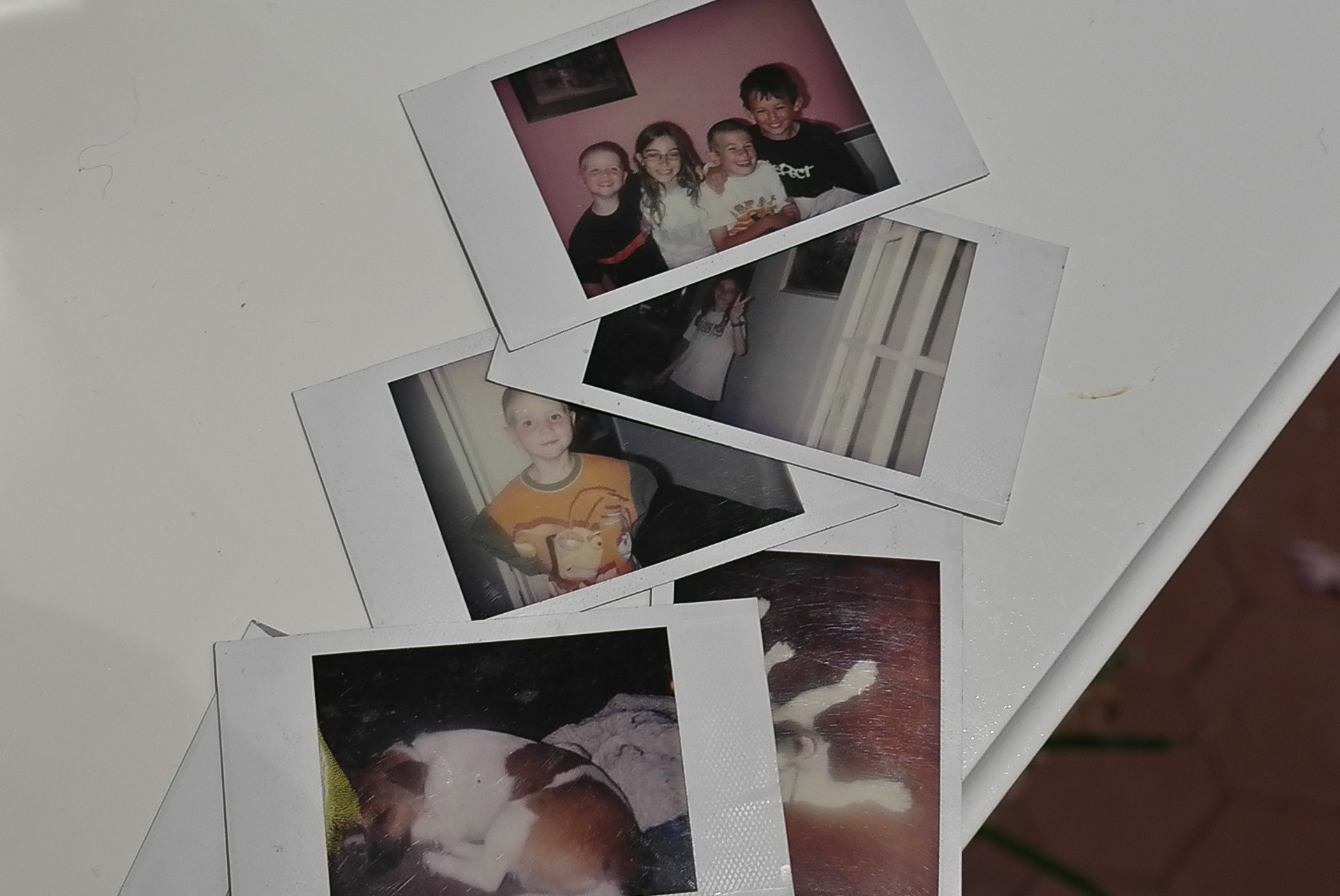
Will turned up this afternoon with a set of polaroid pics Owen took on a holiday in Pembrokeshire about 12 years ago.

Wow. In the moment, on the spot, happiness. More ‘instant’, more snapshot than conventional photos?  Breathtaking. Heartbreaking.

Gail, a ‘surprising Clare’ mate, posted a link to Simon and Garfinkel’s Bookends a bit later on Facebook. Her husband, Bob, died unexpectedly a few weeks before LB.

Says it all really. In few words.

… I have a photograph.

Preserve your memories, they’re all that’s left you...

I’d forgotten how much I love this song.

ryan5-434

Grief, a reflection. [Derailed]

I started writing this (in italics below) on Thursday evening. To try and create a measure (I know. Sorry. I am so anti-measuring anything but I couldn’t stand this drifting, shifting, murky, sometimes tedious, sometimes stifling, seemingly pointless (in productive terms), miserable grief existence that was blanketing me). I gathered spontaneously offered timelines from people who had gone through unexpected death (either recently or decades ago) trying to get some idea of how long these feelings would continue, develop and change.

Seven weeks today. Here’s where I’m at with ‘grief’:

  • I cry less.
  • The feeling that my brain is constrained in a sieve-like, fogging vice device remains.
  • I’m dog tired all the time.
  • I can almost cheerfully spend chunks of time with family and friends. 
  • After any time of ‘cheer’, I have crushing feelings of deep sadness (of varying length) that are hard to deal with. 
  • I get moments of breathtaking almost panic attack type induced despair sparked by anything and seemingly nothing. 
  • I no longer feel the urge to tell everyone I pass on the street what’s happened. 
  • I dread seeing people who may not know. Like LB’s old nursery school teacher outside the bank today. Does she know or doesn’t she? Dread if she does, dread if she doesn’t.
  • I constantly re-live what happened and rage at how and why? 
  • I miss LB. So much it hurts.  

This reflection was derailed with the latest email from our solicitor. My ‘current’  grief state’ crushed.

The extremes to which we are being pushed are remarkable. Given everything that’s happened. And what is going to happen in the months (years?) ahead. How this unimaginable happening is going to be explained, accounted for. It’s more than enough to catapult any parent (sibling, family, friend) into an unspeakably dark space.

I get messages from people I know and don’t know, about being strong. About being able to articulate this atrocious experience objectively. About the importance of doing so for dudes like LB. Yep. On it. I/we agree. Completely.

But the dark space is becoming darker the more we find out. It’s a toughie.

So. After the latest ‘news’, I’m going to put it out there and say that I hope there are people in the health and social care world with influence/power (humanity and decency) who are prepared to say “Enough is enough”. People who wont breeze over/ignore or sideline the mountain of evidence highlighting the premature deaths of learning disabled people. It has got to stop. Things have got to change.

Oh, sorry. Silly me. I got carried away there for a minute. I’d almost fallen back into the world of sunshine, support and fluffy dogs. Written pretty much a year to the day LB died.

Current grief state? Complete and absolute despair.

Bath time

LB was born in a bath at home. A messy old biz but he came out happily and loved baths and swimming from that point.

I always loved baths too. A bath every evening, for at least an hour, starting with an academic article or the paper and then a trash read. Richard and Judy Book Club. Glossy mag. Perfect. Glass of wine and peace, apart from kidlet interruptions largely managed by Rich. In our old house LB’s bedroom was directly opposite the bathroom. I can remember for about a year, when he was six or seven, and he would constantly stand by the stairgate at his bedroom door and ask “Are you my mum, mum?”

“Yes, of course I am. Get back into bed LB”, I’d say. Over and over again. It was a mixture of baffling irritation. Years later, I interviewed a mother who said that when her (autistic) daughter began to learn categories of things, she wanted reassurance that she had got the right things in the right category.

‘Awww’, I thought, on the train home from the interview. ‘LB just wanted to check that I was his ‘mum”. So simple when you know.  These dudes don’t come with manuals though and support tends to overlook these kind of things. A small suggestion for psychiatrists/paediatricians/educational psychologists…(well pretty much anyone in the learning disability field); an early focus on helping parents to understand their children better may be more productive than framing them in deficit terms from the get go and trying to reduce ‘unacceptable behaviours’.  But hey ho. Right now I can’t see how the rot and accompanying malaise that riddles health and social care provision for learning disabled dudes will ever be treated effectively.

Anyway. Back to baths. Well they’ve pretty dried up in our gaff. I haven’t had one for over seven weeks now.  Another fucking loss, albeit on a tiny scale. This means I’ve gained around 9-10 hours a week of time. Add to this the time I no longer spend looking after LB. The time I’ll no longer spend in meetings about him, on the phone ranting, complaining, filling in nonsense forms, trying to organise support, doing direct payment returns and the like. I’ve probably gained about an extra day a week.

What to do with this time? Here’s where I’m at;

  • Attempting to transform myself into a lean, mean fighting machine with a funky exercise regime. Nah. Unlikely.
  • In the pub last night, watching men with their treasured sticks (bats?) concentrating intently on knocking down some white thing, I briefly considered taking up Aunt Sally. I could even join a local league team. Nah. Suspect I’d be a bit too aggressive at the moment. At risk of randomly violent stick/bat action.
  • Rich has pretty much decorated the whole house in the last few weeks, love him, so home improvements are out.
  • I’ve thought about writing a book about our experiences but whenever I move from ‘blog’ to ‘book’, I come over all Mills and Boon. Not good.

I suppose really I just want to be back in the bath. Book in hand and LB bouncing up and down at the door. Asking me if I like Irish lorries or when he’s going to Trax again.

Choice, agency and stuff

Well I ain’t a philosopher. And other than my now fairly lengthy adoration of all things Eva Kittay, I haven’t read much ‘philosophical’ stuff. I probably should. But I keep reflecting on the nature of the health and social care emphasis on choice and agency and what this really means for the life chances, opportunities and aspirations of learning disabled people.  Alan Roulstone, at the recent disability conference in Finland [sigh], challenged the notion that complete self determination/independence for learning disabled people is either widespread or desirable. I’m sure there is a shedload of research about this but I’m chucking my hat into the ‘it ain’t necessarily desirable’ pot based on good old fashioned experience.

We’ve finished sorting through LB’s belongings. A beyond sad task.

His choices shine through here, in some ways. The consistency of these choices over so many years made it a particularly heart and gut wrenching task. There was so much well worn, familiar and much loved stuff. Dating back to when he was a pup even.  And then more of the same. Different colours, newer versions.  Not really replacing the earlier stuff (buses, lorries, books) but more a manifestation of normative present giving rituals that meant gifts were given, whether LB wanted them or not. Er, agency anyone? What does this really mean?

Our strategy for sorting the ‘special’ stuff to be stored in the chest in the bedroom, was to select the most used and well worn items. We could have picked these blindfolded. Family and friends were attuned to what LB loved, what he liked and what he wanted. He was surrounded by stuff that reflected his interests, his delights, his life. This was not only purchased objects – myriad buses/lorries, Eddie Stobart memorabilia, books and DVDs – but there was a generosity of time, thought and patience invested in making things or doing things for LB.  Cards, photos and mermaid related stuff from school, customised bus tickets and drawings by his siblings and friends.

Abi A die cast lorry transformed into Lightning off Cars.  A cardboard box version of The Mighty Boosh boutique shop for his Vince and Howard figures. Carefully drawn pictures of various lorries, buses and prisons for him to colour in meticulously. An 18th birthday hat fashioned by Charlie’s Angels at school. The notebooks he filled with drawings and figures with words/additional figures drawn by others. Contributions that made LB smile. He delighted in people joining him in these spaces. Pure enjoyment.

Pure imagination.

ryan5-411
ryan5-412

I think the emphasis on choice and agency is a bit misplaced really. Particularly when it ends up being a divisive tool. Either explicitly used to distance people from their families, or when this happens unintentionally.

It strikes me that the core ingredients for a ‘good life’ for learning disabled people are family, friends, (enlightened?) understanding and familiarity, aspiration, imagination and a good dose of collective giving/caring.  Policy statements/prescriptions about the importance of choice carelessly transmitted to untrained, poorly paid and unsupported staff ain’t helpful. And could generate space for misinterpretation, misunderstanding and/or abuse. I wonder if policy makers should ditch the jargon and acronyms, shake off the dusty old coat of worn out, abstract discussions that bear no resemblance to the lives people are actually living, and go back to basics.