“LB saw the dentist at school today…”
“Wow! Did you LB?”
“Yes Mum.”
“What did they say?”
“Open your mouth Mum.”


“LB saw the dentist at school today…”
“Wow! Did you LB?”
“Yes Mum.”
“What did they say?”
“Open your mouth Mum.”
Regular followers of this blog (love you all) will know that LB’s future plans (and lack of opportunity, ‘capabilities’, ‘a good life’) are weighing heavily on me at the moment. This is causing me to examine everyday family life closely.
So. I had a meeting in London today then picked up LB from his after school club on the way back. Tom (12) was just home after playing football in the park with his mates. Later in the evening, Tom came downstairs to say goodnight. This is a new development. He no longer expects or wants us to go and say goodnight to him in bed. Half an hour later, LB was sent to bed. After a series of verbal (nudges) orders to “clean teeth, wash face, get pyjamas on” he was ready for bed (and released from our surveillance).
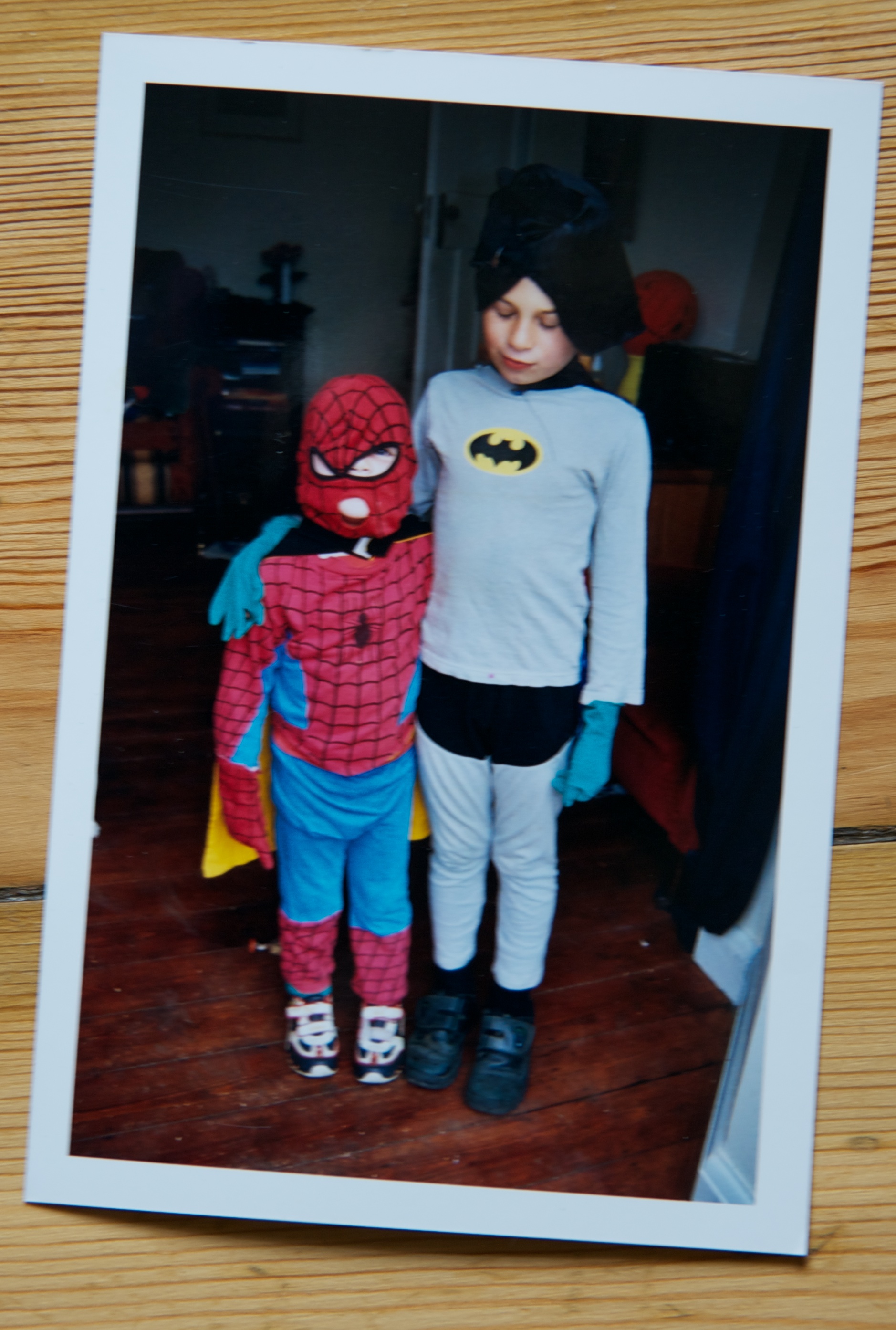 Then I could hear a series of exchanges. Tom was asking LB to turn off his light. This involved various prompts, all cheerful. After an encouraging, responsive exchange, the light was turned off. A further “goodnight” exchange followed. Sorted.
I started comparing Tom’s interactions with LB, with our exchanges with him. Tom, Rosie, William and Owen all talk to or with LB differently to us. As do their mates. They don’t have the baggage of the ‘special needs’ label or of growing up in world in which difference was largely hidden away, influencing their exchanges. They chat. They talk to him as a brother or a friend’s brother. They negotiate, or adapt their chat, to accommodate LB, but it’s still chat.
I can’t help thinking that we need to learn from their chat, their interactions, their casual yet ready acceptance, if we want to allow or enable dudes like LB to lead ‘a good life’. It’s just difficult when his whole life is framed within a ‘special needs’ space with alienating structures and processes dominating it.
[ring ring…. ring ring….]
“LB! Can you get the phone?!”
[...ring ring…. ring ring….]
“I don’t know where it is Mum.”
[…ring ring…ring ring…]
“LOOK FOR IT! Hurry up!”
[…ring ring…. ring ring….]
“I don’t want to look for it Mum!”
[…ring ring…. ring ring….]
“Just get the phone LB and bring it here.”
[…ring ring…. ring ring….]
“Can’t find it Mum! I.can’t.find.it!”
[…ring ring…. ring ring….]
“Look properly. It’s probably on the charger.”
[…ring ring…. ring ring….]
“WHAT THE HELL DO YOU WANT ANYWAY????”
[…ring]
“It stopped Mum.”
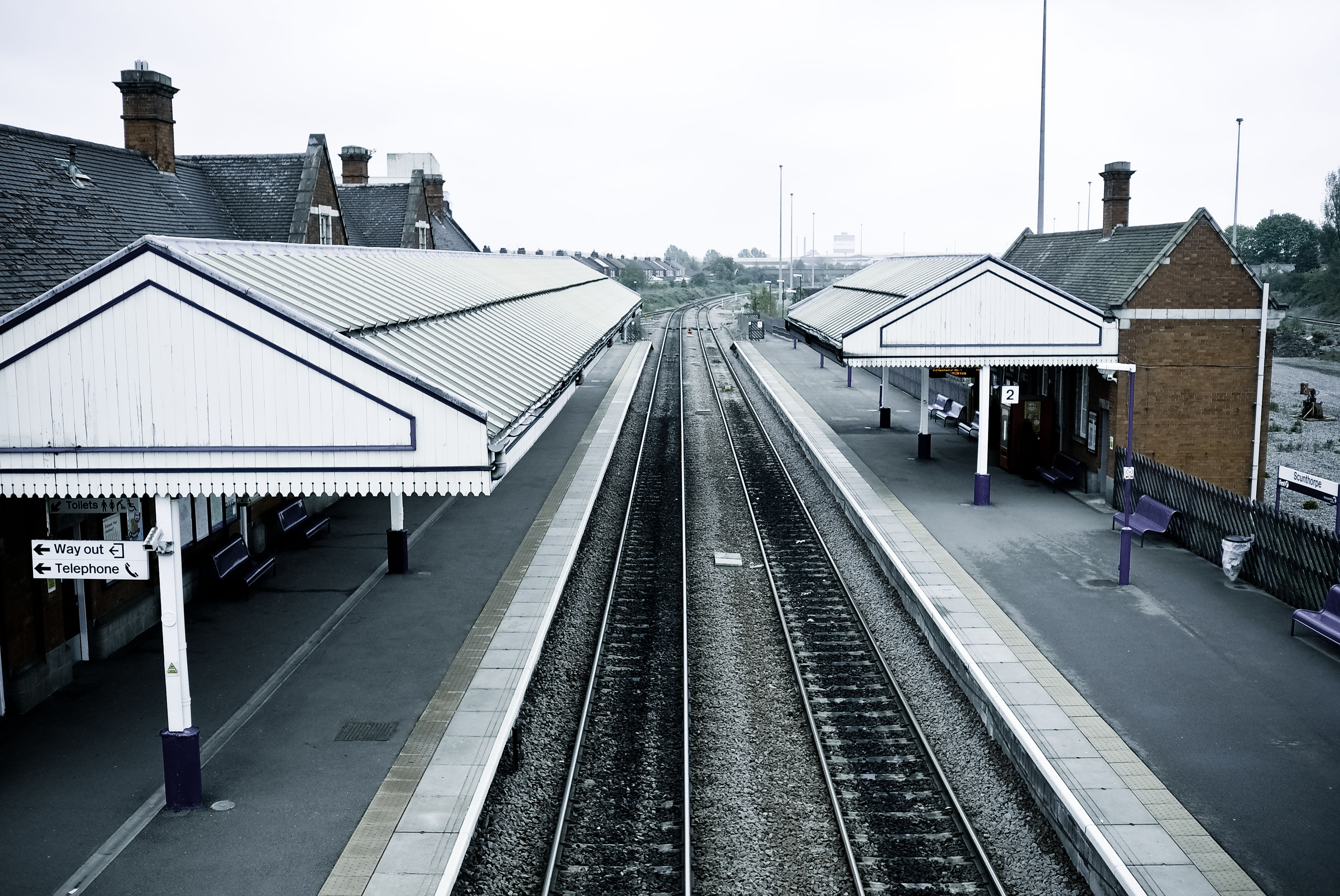
Overnight to Scunthorpe this week, to do some teaching. In a training centre. It was a bit surreal; there were lots of lines, some babies and very few people.




During today’s Prime Minister’s Question Time, Cameron made the statement; “We know that through the phonics scheme that my right hon. Friend the Secretary of State for Education (eh? who?) is leading on, that we can teach reading so that no child is left behind.”
No child? No child? Eh? What about all the kids that will never be able to read Dave? Wow. Excluded. Totally written out of the picture. A whole section of the population. In a statement recorded in Hansard.
I got to thinking. Does that mean that those children who will never be able to read are a different sort of child? Not ‘children’ at all. As we know it (Jim)? How could he make such a statement, particularly having had a disabled child himself?
Mmm.
My thoughts led me to this position; Cameron talks an awful lot of crap all the time, but in this instance, he is probably making a statement that would be received, uncritically or even unreflectively, by many. He is making a statement that would probably not raise an eyebrow if you didn’t have a disabled child, or be disabled yourself.
For parents of disabled children, and others, the exclusionary dimension to statements like this, are regular reminders of how narrow accepted types of children are. Statements like this, whether by an authority figure, next door neighbour, best mate or the person sitting next to you on the bus, happen all the time. There are children. And there are children who are erased from mainstream consideration. It comes back, in part, to Mary Douglas and festering.
This leads to all sorts of emotions – anger, distress, rage, depression, fury – relating to the consistent, collective, careless dismissal of our children. Our children, just like any other children. Only different. It’s hard to put into words, but it’s like not only being regularly told that your child is crap in various ways, over the years, but also to turn round, when you ain’t expecting it, and see that once again, they have figuratively been tossed onto the rubbish pile. I don’t think people are being insensitive really. Often it’s an unintentional act or response.
There was an interesting article in the Independent today about the proposed changes to educational provision for ‘SEN’ children. This was summarised (I’m guessing) in a title created by someone other than the author, Lisa Markwell; It’s her needs that make my daughter special. For an article to be included in mainstream press about disabled children, I always get the sense that the editor, or sub-editor, tries to cuddle it up (or snuggle muffin* it) in some ‘expected’, ‘slightly sensationalist’ language that is crap. I can imagine that people who write these pieces weigh the benefits of getting something ‘out there’ to extend awareness and understanding with a shit title that, at the same time, reinforces existing understandings and awareness. It underlines the same dominant understanding of difference that needs to be coated with a saccharine pill to to be palatable.
Anyway, I’m going to keep making visibile these instances. Probably tediously to a lot of people. But in the hope that the odd person thinks ‘Hey, Dave, what about those kids who won’t be able to read?’ And reflect on what that means.
*Thanks to Molly for this expression.
“…. and there’s two! Two Scania’s… Ahhhhh.. lorry heaven. I’m in lorry heaven. Oh my god! It’s got my name on it!!!”
“LB, can we talk about something else at teatime? Something me and Tom are interested in?”
“But I love lorries Mum. I’m in lorry heaven Mum.”
“I know. But just while you eat your tea. Talk about something else to be sociable.”
“Sociable Mum? I don’t want to be sociable Mum.”
“Why not? You were obviously sociable last week on your school trip.”
“I know Mum. But that’s because there were people to talk to Mum. People to be sociable with Mum.”
“Well be sociable with us!”
“Ok Mum. Sorry Mum. I’ll be sociable Mum.”
“Good.”
“Do you like lorries Mum?”
Mary Douglas. An old favourite of mine. Author of Purity and Danger. Mary (I think I can call her that) argues we categorise things in order to create a sense of order. That we can’t categorise, is pushed to the margins. And becomes ‘other’, creating feelings of revulsion in “us”. Of matter out of place. Bit like walking round a cattle field then putting your wellies on the kitchen table. Or cleaning the kitchen sink with the toilet brush.
Ah. Why am I rambling on about this? Why indeedy. Because of two articles published today.
First, Ian Duncan Smith wrote about his determination to get rid of Disability Living Allowance; “I’m not too scared to light the fuse on disability reform” (now with inflammatory sections removed). Making a series of inaccurate statements, and drawing on made up statistics, he said;
“70% [of people on DLA] had lifetime awards, which meant that once they got it you never looked at them again. They were just allowed to fester.”
So here we have the Work and Pension Secretary suggesting that disabled people ‘putrefy and rot’ or ‘generate pus’. Pus. A perfect example of matter out of place. And one that engenders revulsion. Not only that, but disabled people choose to fester and “we just let them”. The old us and them that is becoming the defining feature of this government.
Cristine Odone hot on Dunky’s toes, produced (in about 15 minutes by the look of it) a nasty, made up little piece; “Smith must not give in to the disability bullies.”
Now it’s not clear whether these disability bullies are part of the “truly disabled” she refers to (the blind who get less than the drug addicts and alcoholics), or the gang of “back ache fakers who stay off work, earning money to do so.” Whatever, they are prepared to take extremist tactics to stop changes to benefits. These tactics? Marching in central London at the weekend.
Being labelled cruel and insensitive to the plight of others is a politician’s nightmare. The disability lobby includes politically-savvy activists who know this, and know just which buttons to press. Like PETA, the animal rights lobby, these campaigners are prepared to fight dirty in their effort to embarrass the authorities into doing a U-turn. Emotional manipulation and shock value are routine in their demonstrations; this will only increase if IDS stands his ground.
Well Odone is, like IDS, reinforcing Douglas’s work very nicely. She talks about playing dirty and compares disability campaigners to animal rights campaigners. I’m making no judgements about animal rights activists here, but I don’t think throwing fake blood on the pavement, or wearing gloves to symbolise cutting off hands, compares to some of the strategies employed by PETA and other organisations. Far from it.
Douglas suggests that ‘we’ can respond to ‘anomalies’ negatively or positively; ignore or condemn them or effectively embrace them by creating a new reality that includes them. Dunk/Odone’s position is clear. Condemnation.
Me? I’m left feeling revulsion. About a government who are increasingly matter out of place.
 LB was a school camping trip* last week. He’d prepared a speech but I had to get him just before the end presentations. So here it is;
I liked talking to Becki.
I really liked telling everyone jokes.
My favourite part of the week was looking at the lorries in Dover. I was in lorry heaven.
Thank you and goodbye.
A cracking speech.
*Thanks Amy, Alex, Rachel, Kane and Vicki! Camping in torrential rain all week (and a 4am start for a day trip to France) is way beyond the call of duty. As usual.
Had a ‘chuckle’ this morning while reading tweets from mothers about their disabled kids off sick (or not) from school. It reminded me of past experiences. A key task for parents of disabled children is to weigh up your child’s ‘sickness’ status and manage nursery/access because the ‘sick bar’ is lower for disabled kids. LB now has an indefinite sick note (have I mentioned that before?) but he wasn’t any more unwell than most kids when he was a tot.
In those days, he went to the university nursery a couple of days a week while I did my degree. They soon found him a bit of a handful (despite talking the talk in terms of meeting his needs) so staff regularly contacted me to collect him. Fifteen years ago of course, mobile phones were a bit of a rarity so the nursery staff had my lecture/seminar timetable to track me down. It was pretty frustrating to get hauled out of lectures to go and pick him up. Regular heart sink moments.
“He seems a bit under the weather. We think you should take him home for the rest of the day”, they would say, handing over a grumpy little parcel of healthiness.
Halfway through term though it was reading week. Whoo hoo!!! No timetable just uninterrupted study time in the library. Such a treat. One day, after about half an hour of reading, there was a tannoy announcement in the library;
“Would Sarasiobhan please go to the nursery to collect her sick child. Sarasiobhan to the nursery please.”
Unbloodybelievable. Seriously???? You have got to be kidding me??? I sat there, surrounded by books, in my chilly little study carel thing, feeling like I had a massive arrow over my head indicating it was me. Of course, in a university of 16,000 students, no one had a clue who I was but I felt completely exposed. I packed up my stuff and wandered out of the library. Furious and frustrated. I walked about for a bit wondering if I could ignore it. “If only I hadn’t gone straight to the library..” I muttered to myself. I went to get a coffee in a cafe. Standing in the queue, deep in thought about my options, I vaguely noticed an A4 sheet of paper pinned to the noticeboard by the till. In large black font was typed;
“Urgent! Would Sarasiobhan please go to the nursery straight away to collect her sick child.”
Eeek!!!! Game over. It was clearly serious. I legged it over to the nursery, dropping books and bits of paper, feeling guilty about the wasted ‘fume’ time.
“Ah hello Sarasiobhan. I’m glad we got hold of you. LB seems a bit under the weather so we thought you ought to take him home for the rest of the day.”
[…]
Thinking about it, I’m not sure that indefinite sick note did start in November 2011.
Part 3 of the ESA drama kicked off this morning. (Earlier episodes can be found here and here.) As usual, the vile brown DWP envelope arrived on a Saturday when the helpline is shut.
A summary of the story so far;
I accidentally discovered LB was entitled to Education and Support Allowance (ESA), got a sick note (A) from the GP. He wrote ‘indefinite’ for the length of the illness. A second sick note was requested (B) to backdate the first sick note by 3 months. A 20 page questionnaire needed to be completed for some shitbag company called Atos. JobCentrePlus only keyed in the details on B (Nov 11 – Feb 12) and suspended his allowance almost as soon as it was paid.
At this point, I couldn’t disentangle what was incompetence from what is a cynical and deliberately obstructive process, designed to obscure people’s entitlements and make it as complicated as possible to claim. And as for ‘sick notes’? Anyway, it was sorted. I thought.
Until today’s letter stated;
I am writing to tell you that the medical certificate you sent us, which covers the period from 17/2/12 to 10/5/12 is about to run out. Please send us another medical certificate by 11th May if you are still sick and cannot work.
Whaaaa???? You gotta be kidding me?????
After some raging about JCP incompetence and vile, cynical obstructive systems, I googled ‘medical certificates and ESA’. On a handy forum, rightsnet, the relevant regulations were highlighted, stating that two three-month sick notes need to be produced by the GP before an indefinite one can be accepted. Ah. So now I know.
But what do I know? What’s the basis for these time regulations? Why so many hoops? And how much does it cost to administer such a clunky, overly-bureaucratic and obstructive process? A process that is not fit for purpose for learning disabled people.
I don’t want to be part of a society in which dudes like LB are issued with ‘sick notes’ to exempt them from the workplace. He is not sick. He could thrive in a particular environment in which his strengths and abilities were encouraged, developed and valued. Instead his future, his potential and possibilities are constrained before he’s even finished school. By a system in which he’s already signed off sick. Indefinitely.
 mydaftlife