
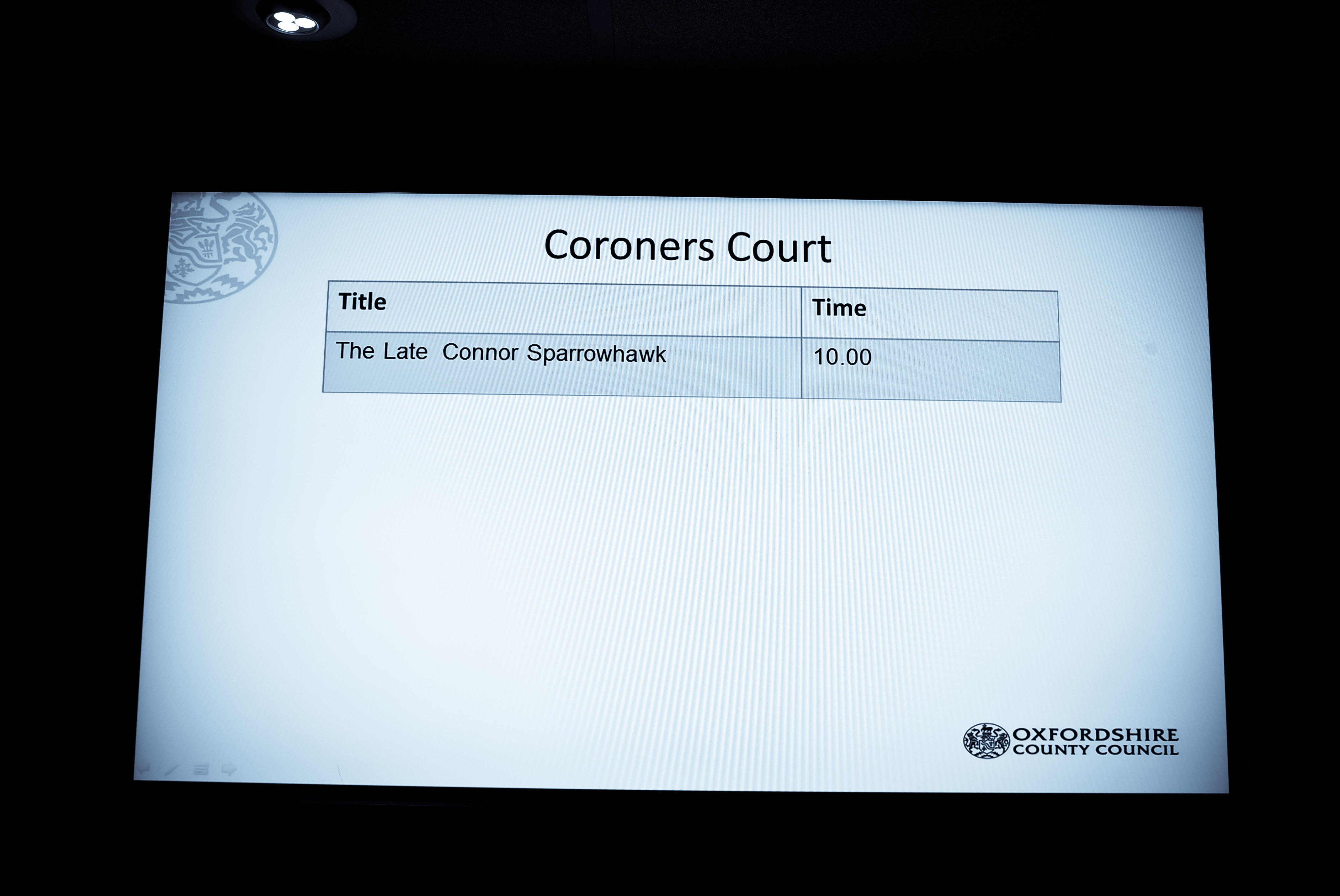
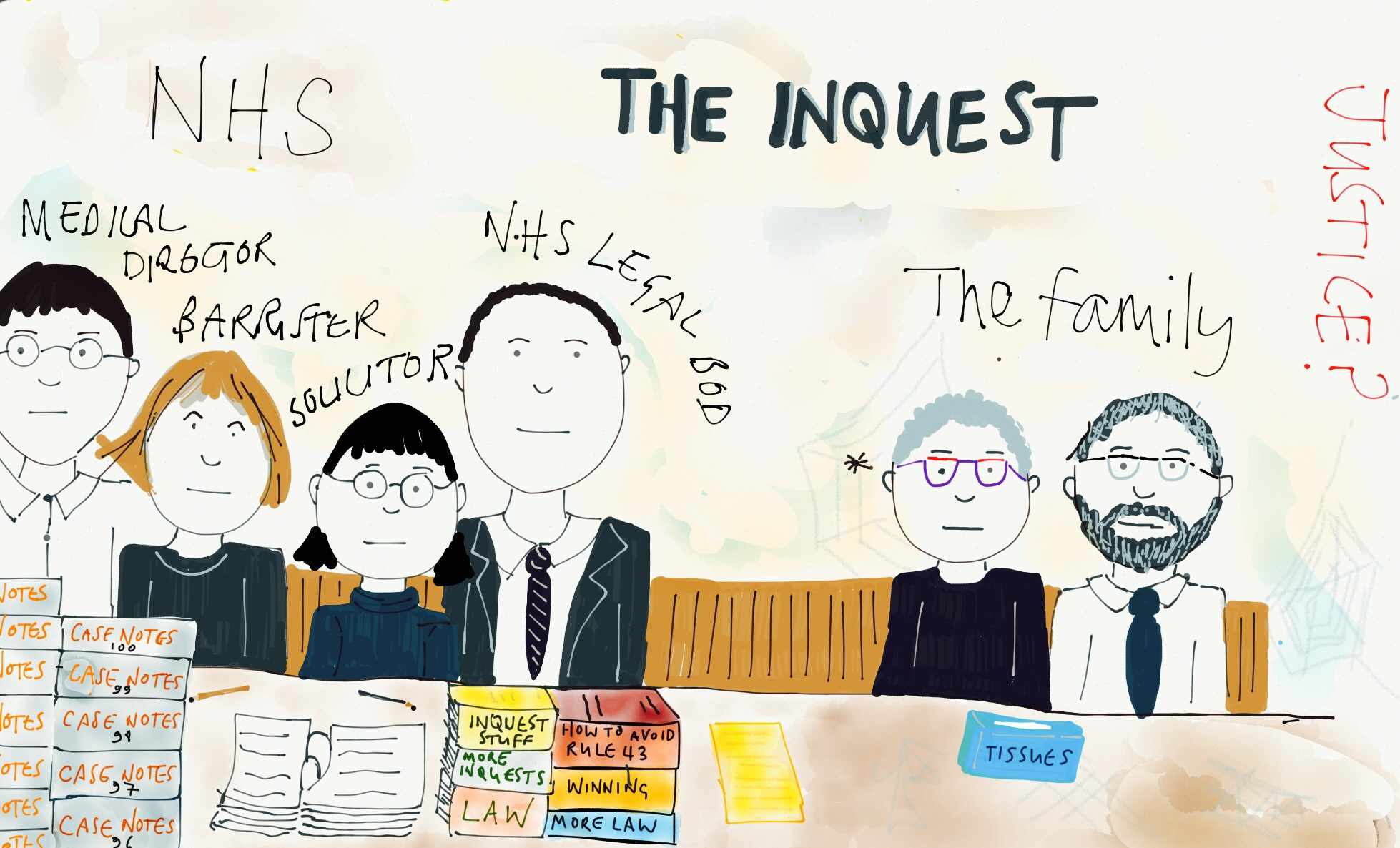
LB’s inquest is scheduled to take place from October 5th for up to two weeks. This date will be confirmed at the next (4th) pre-inquest meeting (Sept 9th) and seems to depend partly on whether the police decide to pass evidence to the Crown Prosecution Service for a possible prosecution or close ‘the case’. And whether additional ‘interested parties’ need more time to consider ‘evidence’. [Some staff members are now ‘interested parties’ and may have their own legal representation.]
Attending an inquest isn’t a common experience for a lot of people. The thought of what lies ahead reminds me a bit of the days leading up to LB’s funeral. His do. An inevitable, unavoidable ‘thing’ drenched in horror. Unimaginable horror.
But funerals are typically organised within days or a few weeks. The unspeakable is, necessarily, whipped through really. Mates stepped up and worked magic, generating celebration. A red double decker bus, Charlie’s Angels were pall bearers, “Here Comes the Sun” strumming out from a baking hot woodland corner, hundreds of used bus tickets scattered over LB’s Routemaster coffin. A party. (Almost) fun, food and footy.
When the NHS (or other public bodies) are involved in unexpected deaths, delay is introduced. For no apparent reason. Weeks, months, years added to routine processes. Dead times. Torturing devastated families while generating distance from memory. Effectively producing fuzzy felt versions of ‘what happened’. Pieces moved about, dropped, lost and ultimately discounted. The delay also allows an ‘it was ages ago now..‘ tired feel to the process [howl] and facilitates a ‘things have moved on now.. We’ve learned so many lessons and implemented more changes you can shake a worn out old stick at…’ type outcome. Effective wrapping up and diffusing atrocity/obscenity in faux (shiny) processes and made up ‘learning’.
This strategy is losing its punch a bit now because of social media. Patients/family members and others can record stuff as it happens, return to emails and publicly available accounts, producing ‘evidence’ to challenge or refute. People can hook up with other people who have similar experiences or are simply outraged by what they see or read. Mobilising support, strength and resources. Relevant historical and contemporary context is accessible online or via FOI requests. It’s now easier to convincingly say ‘Eh? Whaddaya mean? This happened before. And continues to happen...’
This is good (though we still ain’t got anywhere in our fight for justice). Why patients, families and others should be doing this work though remains utterly baffling.


 mydaftlife