A Camden masterclass

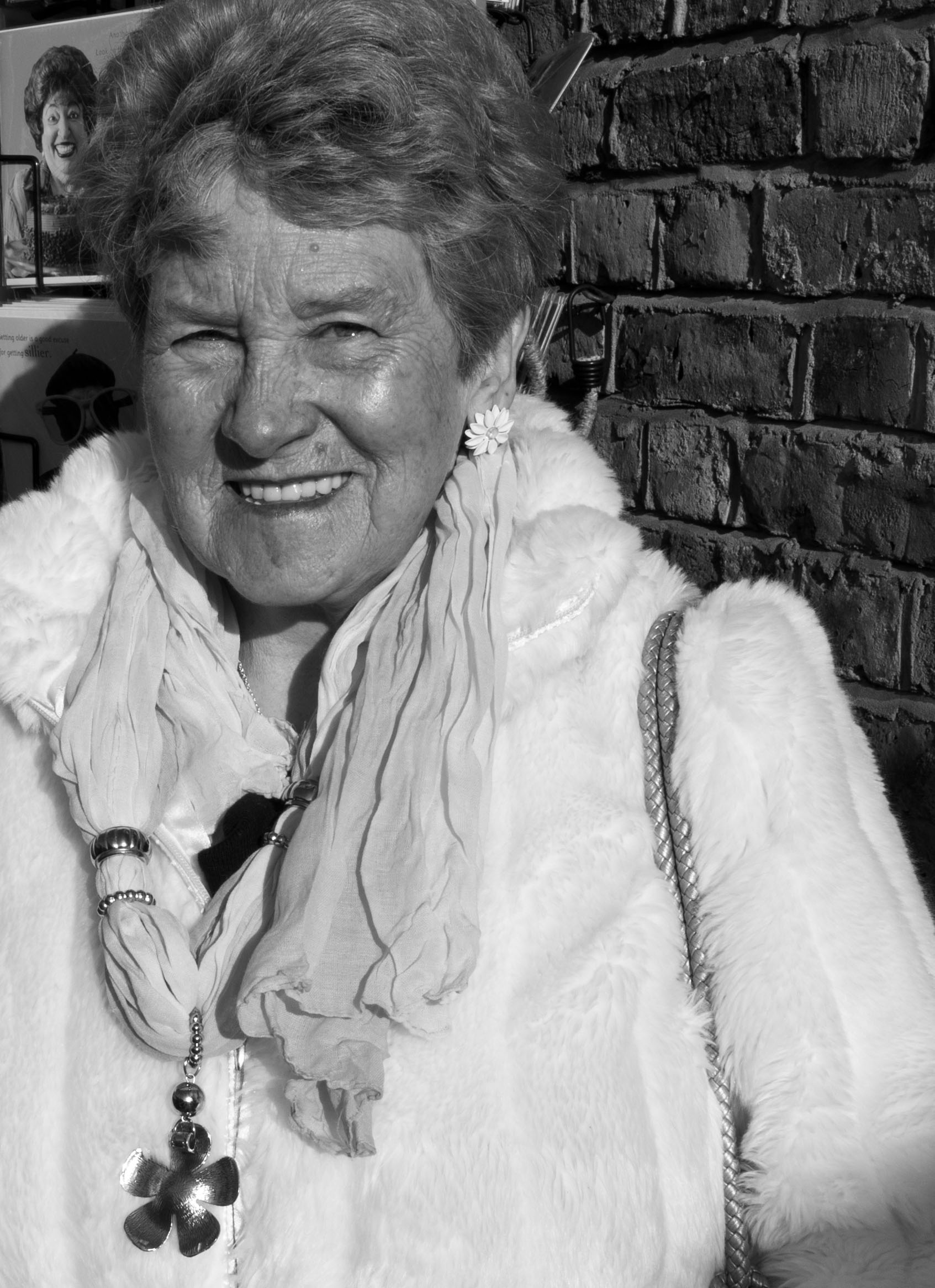
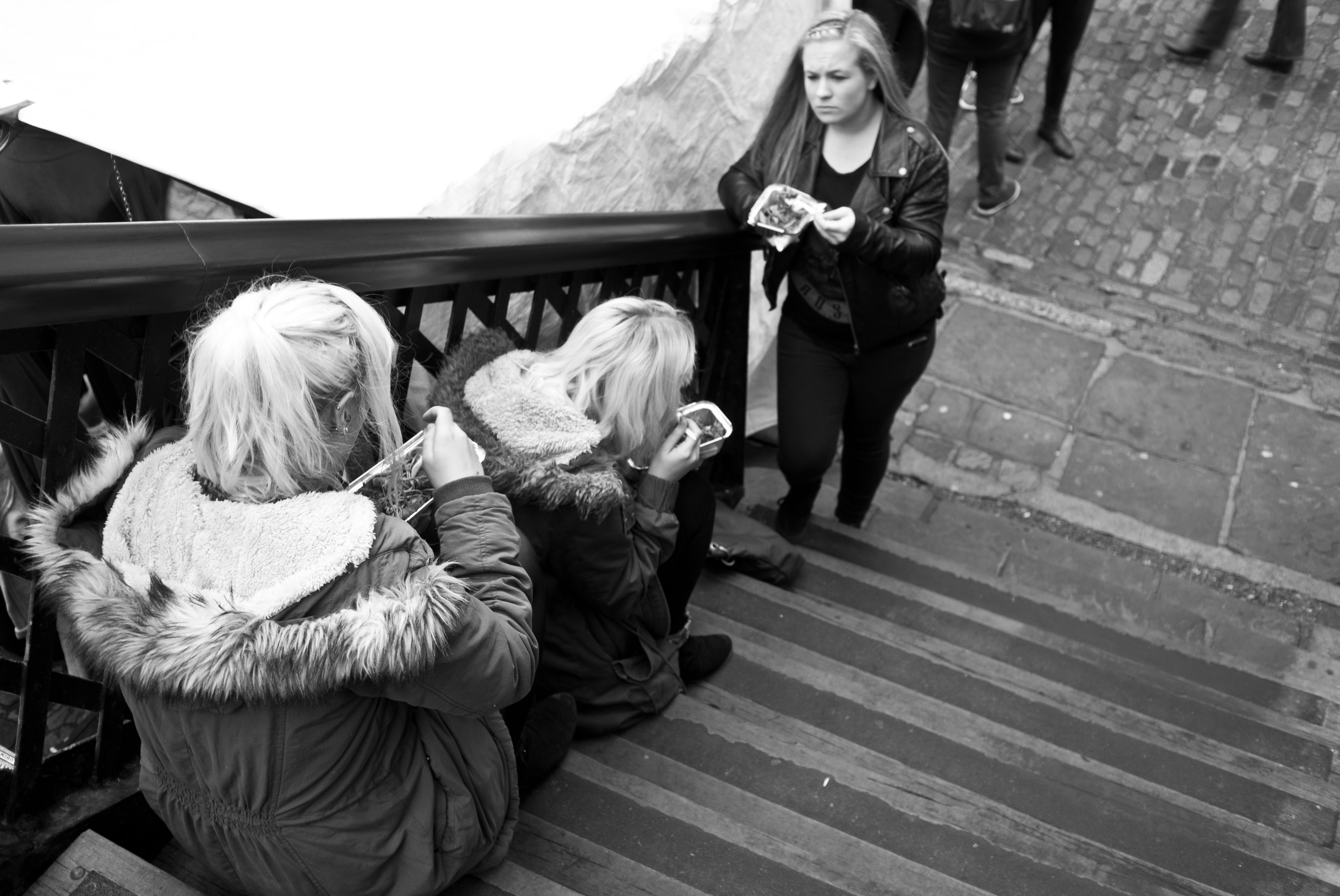
Spent the weekend at a street photography Guardian Masterclass run by Antonio Olmos. Well what can I say, other than a complete pleasure. Great teacher, classmates, setting and food. I learned a lot (see below).

ryan5-48

sackboy1

ryan5-50 ryan5-49

Top things I learned;

  • Always shoot raw (I knew this but I now understand why).
  • Don’t delete photos on the camera; you don’t know till you start to edit, whether they are any good.
  • Don’t zoom, get close (use a 50mm fixed lens).
  • Travel light and NO lens cap.
  • Take first, worry about the consequences after (i.e. don’t get overly hung up on ethics or you’ll miss a good pic).
  • People generally are happy to be asked to pose for street photography.
  • There is no problem with taking candid shots of people in the street without their permission.
  • ‘Work a scene’… don’t just snap and walk off in search of ‘another good pic’, hang around and keep taking photos.
  • Anticipate events and get into position.
  • Expect only one or two good photos on average (brilliant photographers take crap pics too).

The bath and the bell

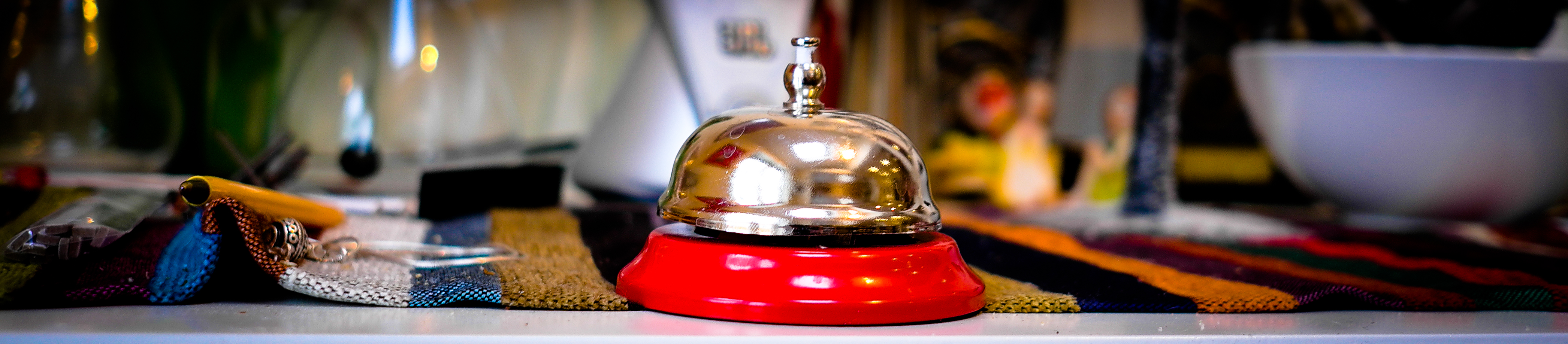
One of my birthday presents was a bell so I could ring for ‘service’ (wine, newspaper, clean towel, etc)  when in the bath. I know. It’s a laugh riot in our gaff. On Sunday, LB was about to get in the bath when I realised the full potential of the new, shiny bell. LB loves baths but has quite a way to go to mastering effective tap control (heat and quantity). We run it for him and leave him to soak. Trouble is, it’s tricky to decipher general chatter from a help request (or outright alarm). This means he doesn’t get much privacy.  Dinging the bell could resolve this.

“So LB, if you want anything ding the bell. Like this…” DING!
“Yes Mum.”
“Ok? If the water gets too cold or you need anything, just ding.”
“Yes Mum.”
“Ok, I’m going in the other room.”
“Yes Mum.”
DING!
“Wow. That was quick. What do you want?”
“I love Irish lorries Mum.”

ryan5-45

A building with a snooker table

LB’s been off school a week now. Unmanageable distress associated with school, which manifests itself in violent outburst (towards himself and others), has led to a kind of informal home arrest. Home where he is largely a chill pill. Home which ain’t ideal when we both have full time jobs.

School are going to try to sort out some way of him returning part time. The plan was for him to stay at school until July 2014. A ‘mental health’ referral has been made with no one involved optimistic that this will happen within 4-6 weeks.  The care manager (who had discharged him after success at panel finger nail blackboard towards the end of last year) called today to sort out some sort of interim ‘care’ for him.

“Well he can go to respite pretty much straightaway…”
“What do you mean by respite?”
“He can go to Saxon Way. Into respite. I can get the manager to call you.”
“Sorry, I don’t understand. What is it exactly?”
“Well it’s a building.”
“Eh?”
“It’s a building with a snooker table and other stuff to do. He can stay there or maybe the staff will take him out into the community. Or if you prefer, some staff can come to your home and look after LB there. The advantage is, it’s pretty much an instant solution.”

So, after apparently huge shifts in the organisation of social care in the UK, the development of aspirational thinking around person centred care, and having spent 16 years in education, LB is consigned to a building with a snooker table. At the first hurdle.

I don’t get it. What about his future? His life? His capacity to be meaningfully productive in some way? He’s 18 years old and should be looking forward to the start of his adult life, some type of employment and everything that comes with that. Not written off and stuck in a day centre waiting for a half arsed referral to fictional mental health support. Seriously?

I must be missing something.

Surely.

A letter to the woman in the restaurant

Dear woman in the restaurant,

We were the people you spent your meal staring at. Or was it glaring? I’m not sure. It was fixed and unwavering which ever it was. And it made the situation so much worse. I’m not going to apologise for LB’s behaviour. He was stressed from the start (getting stuck in the revolving doors on the way in probably didn’t help), but for the most part he managed to keep a lid on it. He muttered to himself a lot, and tensed his body regularly, but only a couple of times did he actually do anything that could have disturbed your meal. Two, possibly three, very brief shout-outs about his fear of Irish lorries being stolen.

As you were staring so hard, you may have noticed that the three of us, Rich, Tom and I, were all working hard to try to keep him calm. There was a lot of talk of the security arrangements at Irish lorry companies and attempts to distract him with a running commentary of the Oxford buses driving past the restaurant. A lot of remedial work, as Erving Goffman, would call it. To be honest, this work was largely try to stop LB experiencing such stress rather than concern about other diners.

I’ve sat in plenty of places and had to listen to other people’s conversations because they talked so loud, I’ve listened to people shouting on mobile phones, sat near parties of people being drunkenly cheerful and excessively noisy. These people don’t get stared at. These behaviours are tolerated.

I’m not sure what you were hoping to achieve with your staring. To let us know some social rules were being broken? To let us know that young people like LB are not welcome in public places? Or to demonstrate that your meal was ruined? The latter would be peculiar. You were sitting far enough away not to look at him, and, as I said, other than the quick shouts, he was pretty quiet.

It was my birthday lunch. I wanted LB to be there (obviously), and don’t think it is (or should be) a big ask for you to just get on with your meal and ignore the odd disruption. Anyway, we got the bill before we’d finished our main course. And left. Staring, or glaring, like that, can sometimes make a difficult situation unmanageable.

Maybe next time, you could just take a few seconds to try to imagine what it must be like to  experience that distress, or have to try to manage it. It ain’t rocket science, it’s that thing known as empathy.

Yours,

Sara

Butchery in the Covered Market

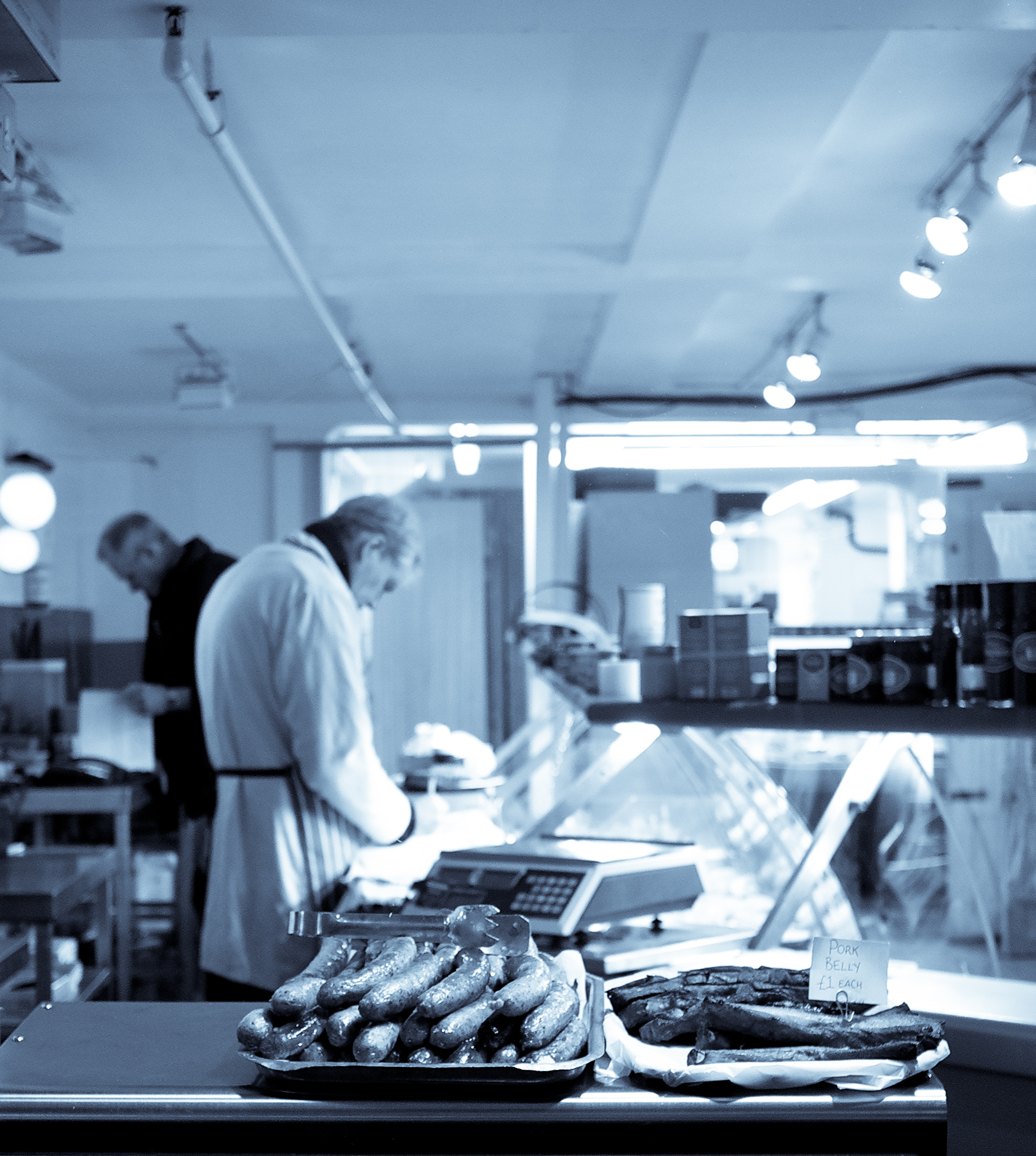
New job, early morning meetings in Oxford and butchery preparations. Morse would be proud.

ryan5-42

ryan5-44

ryan5-41

ryan5-43

‘That letter’ and non-standard mothering

So here’s the gig. LB is 18. Increasingly unhappy at school. Deteriorating in emotional well-being. The space for him to be happy seems to be steadily narrowing. Like those rooms on Tomb Raider with moving walls, or the ledge Batman stands on.

We work full time. Luckily with flexible employees/jobs that allow Rich to leave work at 1pm to collect LB from a residential school trip in Devon when it goes tits up, or one of us to be home at 3.15pm most of the week, with some help from family. This also means that we spend quite a lot of the weekend working.

We have a care manager. Or we did, briefly, until she organised the 2 hours of direct payments five days a week to cover after school ‘adult child care’ and discharged us indefinitely. ‘Successful at panel*’, she called it. Trouble is, ‘adult child care’ ain’t readily available. And two hours after school doesn’t solve the increasing problem LB has coping with school.

Things are not going well.

I met with a good friend this week who has a 25 year old daughter in a residential setting. She always amuses me with her refreshing, no nonsense, cut through bullshit, type approach to her and her daughter’s social care experiences (which have been up and down). This time she turned her focus onto LB. It was time to write ‘that letter’, she said, as we noshed on the early evening menu and glugged house white.

If we didn’t write ‘that letter’ to social services, saying we wanted LB to live independently when he finished school in summer 2014, he would get lost from the system. We needed to have ‘that letter’ on file. So it’s recorded. We didn’t want to be scrabbling around in crisis, in five years time, desperately trying to engage with social services and no space to be given any choice in his living arrangements.

This week I’m a respondent at a workshop on ‘Changing Models of Motherhood’. The session is about ‘non standard mothering’. I’m uncomfortable with that term for all sorts of reasons. I want to call it ‘different’, ‘hindered’, ‘frustrated’, ‘hampered’, ‘unsupported’ mothering. ‘Non standard’ implies a benign, though less valued, type mothering but one that is somehow still within the gift of the mother/child relationship.

LB’s current distress relates to external factors and is compounded (or created) by a lack of appropriate, timely, responsive rather than reactive support. I don’t want to write ‘that letter’. For me, it goes against what I consider to be ‘good mothering’, non standard or whatever. It seems harsh, punishing, unfair and I worry it will expel him to some, as yet unknown, space. A kind of containment.  Experiences of social care so far have been pretty mediocre to downright crap. For example, the council funded sessions of peer buddying to take LB out and about, and the care agency sent a man in his fifties because there were no other staff available. I know that the rhetoric around choice and personalisation is hollow. There ain’t a meaningful choice.

So, writing ‘that letter’ fills me with dread. I know its got to be done. But I still don’t know why it does. It shouldn’t be this crap.

*And I still don’t know what ‘panel’ is.

Nothing short of a miracle…

“Mum?”
“Yep?”
“Can I have a bath Mum?”
“Yep. Course you can!”
“Mum?”
“Yep?”
“Can you find me some clean clothes to wear Mum?”
“Yep. Of course I can.”
“Thank you Mum.”

Unbelievable. In the best possible way.