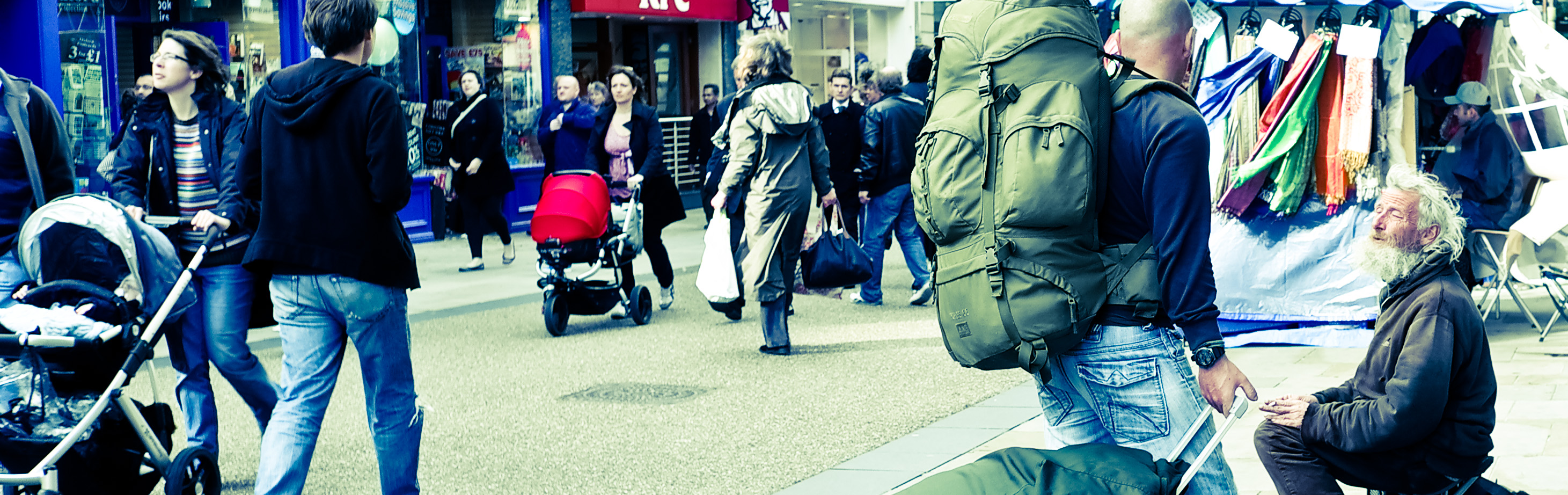
…on a Wednesday afternoon..
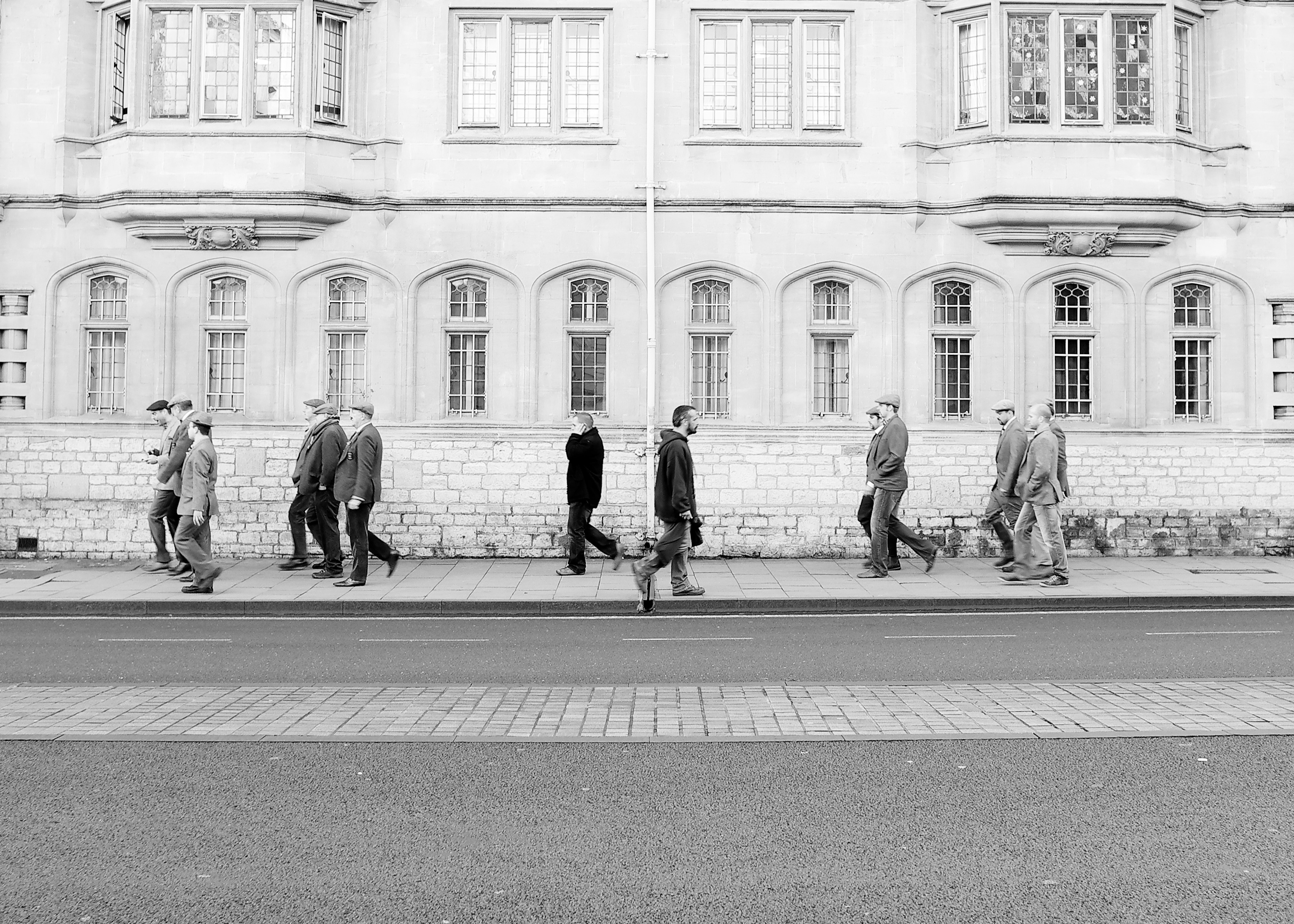

…on a Wednesday afternoon..
“Hey LB! Did you go to football club after school?”
“Yes Mum.”
“What was it like?”
“Fine Mum.”
“Cool. Did you score any goals?”
“No Mum. I was the goalie Mum.”
“Very cool! Did you save lots of goals?”
“No Mum.”
“Oh, did you let many goals in?”
“Yes Mum.”
“Oh. How many did they score?”
“Hundreds Mum.”
“Oh. Never mind. Do you like playing football?”
“No Mum. Not really.”

Went to a meeting yesterday where I ended up wearing a cone of shame once it became apparent how I’ve largely ignored sexuality in my research. Evidence highlights differential health and social care outcomes for lesbian, gay, bisexual, transsexual, transgender, intersex peeps (LGBT) and yet, despite making a claim for ‘diversity’ in my sampling, I haven’t actively recruited LGBT participants.
My cone of shame was a bit bigger than usual as I’ve been looking at ways of making research more inclusive recently. I’ve written and ranted about how we exclude certain ‘groups’ of people from studies, only actively seeking their involvement if the research is focusing on their ‘group’. We ascribe people in these groups a kind of meta-status that obscures other dimensions to their identity. Learning disabled peeps are an obvious example here. The learning disabled identity is so all encompassing that researchers (or others) would rarely think to recruit learning disabled people to a broader study about relationships or cancer or living in a rural area. (And if they do think about it, that thought can be dealt with neatly and speedily by a throwaway statement in the methods justifying their exclusion on ‘ethical’ grounds.)
So, the research community is sustaining and reinforcing exclusion through research practice. ‘Specialist’ research focusing on learning disabled people (or sex workers or asylum seekers or traveller communities or homeless people – the list is pretty extensive) can be ignored by the mainstream world cos it ain’t relevant. Instead, what is considered mainstream should be challenged through more inclusive research practice.The concept of ‘ableism’ offers some tasty insights here, as Fiona Kumari Campbell asks how the fiction of “the able bodied person” has been sustained over time when there is such variation among people? (see a chirpy and stimulating interview with FKC about this here).
Of course you can ask the same question of the dominance of heterosexuality. Discussing the current cone with a couple of people the challenges raised were about disclosure and relevance. ‘People may feel uncomfortable disclosing their sexuality to a researcher…‘ Well we ask ’em to state other ‘personal’ details so not sure why sexuality is any different. They don’t have to tick any boxes if they don’t want to. It ain’t going to be a deal breaker. ‘Sexuality may be less relevant in some health conditions than others…‘ Er, that is missing the point. And so on.
But then I got to thinking that maybe cones of shame aren’t cones of shame at all. They’re cones of reflexivity which will inevitably involve uncomfortable feelings at times. It’s all part of the gig.

I met up with Doreen this morning on the bus to work this morning. Doreen worked for social services for 20 years as an escort and took LB to school for about 2 years five or six years ago. We loved Doreen. She was sitting with Sam who was on his way to work in the café at Oxford Brookes. It turns out Sam used to go to LB’s school so we did a lot of catching up with different kids from the past.
D: Oh yes, we used to pick up Ben T at Radley Way and then go on to Rose Hill for Sarah H, she was a funny one and then back to Barton for Tom L. Then there was James C…
S: James C? Awww… you’re kidding me! I know James C from Anjali Dance Group.
D: Yeah, James C and then Donna T, do you remember? She was at Saxon House for a while.
S: Donna T? Yes. Oh you’re kidding me! [hehehe]
D: And then there was Terry W…
S: Terry W? You’re kidding me! Oh you’re kidding me right! I know Terry W from Mencap.
D: Terry W yes. I saw him recently in town. He came over and gave me a great big bear hug, as he does. But the person he was with told him off for talking to strangers. He said to her ‘That ain’t no stranger. That’s Doreen’. I don’t know. I see ‘em now and they’re all so grown up, but I still got photos of a lot of a lot of ‘em. Anyway, I’m getting off here. Nice to see you both.
[…]
S: Do you know Joan M?
Me: Yep, I know Joan M. Do you know Danny F?
S: Danny F? You’re kidding me! I know Danny from Mencap. Mencap. Terry W. was in town. Why did the carer do that? They were wrong. Terry knew the lady sitting here. He knew her and they were wrong to say ‘don’t talk to strangers’. She wasn’t a stranger. Fucking outrageous. They were wrong. Do you know Daisy?
If we ask LB to get the phone, he usually shouts at it “Whatdoyouwant???” until it stops ringing. Tonight was progress. With a big fat P.
“LB! Get the phone!”
“Who me Mum?”
“Yes, quick!”
“Do I have to Mum?”
“Yes, quick before it stops ringing.”
“BLOODY PHONE. I hate it.”
“Just do it.”
“HELLO! HELLO! WHAT.DO.YOU.WANT??”
“Who is it?”
“WHATEVER!”
“Who was it LB?”
“Recorded message Mum.”
 “OK LB. I’m going to make some puttanesca sauce. You like that, don’t you? Very posh n’ Nigella.”
“Who looks after buses Mum?”
“Mechanics?”
“Mechanics Mum?”
“Yes..”
“And London buses Mum?”
“Yep, mechanics look after London buses.”
“Why Mum?”
“Because they have to stay roadworthy. Keep the passengers safe.”
“Yes Mum.”
“Now I need to find some olives…”
“Who looks after lorries Mum?”
“Mechanics.”
“Mechanics Mum?”
“Yes…”
“Mum? Who looks after coaches Mum?”
“Mechanics… Crap the olives have gone mouldy…”
“Mum?”
“YES?”
“Who looks after settattas Mum?”
“Settattas?”
“Settattas Mum. Who looks after settattas?”
“I can’t understand you LB. Say it clearly.”
“SET. TAT. TAS.”
“I don’t understand. Say it clearly. Mouldy.bloody.olives.”
“SETTICTANKS MUM.”
“Septic tanks???”
“Yes Mum. Who looks after settictanks?”
“Mechanics.”
“Mum?”
“Yes LB?”
“I wish I was a Londoner Mum.”
So the dreaded visit from LB’s Care Manager passed off painlessly today.
LB sat very patiently while she gave information, apologised for using jargon and went through his support plan. Then she got to the big question:
“What three things are most important to you in your life?” [these can relate to any aspect of your life – aspirations, outcomes you wish to achieve or things you are keen to maintain or be able to do again.]
[silence]
“LB what things are important to you? …”
[silence]
“What is important to you? It can be anything at all… Have a think…Is it your mum and dad? Or your family?”
[silence]
“Can you think of one thing to start off with?”
“Bus spotting.”
“Ah. That’s good. Can you think of anything else that’s important to you?”
“Lorry spotting.”
“Brilliant. One more thing…”
“Coach spotting.”
“Fantastic.”

A first. Blogging twice in one day. More photos of the sunset at Hergest Ridge. Suspect as an antidote to the indescribable cruelty learning disabled people were subjected to at Winterbourne (and elsewhere). The sheep in colour this time. Because it’s all about sheep at the end of the day.



Ok. I’ve been thinking about this for a while now. But only in short bursts. I thought if I start to document these thoughts, it may a) give me a kick up the backside to explore it more fully b) contribute to discussion/different ways of engaging with young learning disabled people and c) maybe get some tips, experiences and links.
So, LB is 18 in a few weeks. He is very funny, hard working and sensible (in an unusual way) with some serious interests around transport, recycling and justice. “Transition” so far has been pretty shite as I’ve documented. The future is not looking bright.
The facts as I’ve gleaned them (not easy); He has one more full year at school after this one. After that, he will be entitled to direct payments to create support for him. What this means is not clear. There’s a chance of a further year at a local college to learn (more) life skills. Given that his sixth form are currently doing a cracking full on job of teaching life skills, I’m not sure that there is much point in an additional year. Well other than to occupy his time. After that, it’s day centres (shudder) or a life of being taken into town to go to the cinema, bowling or hanging out at home with a paid carer.
The fledgling plan..
To set up a small social enterprise scheme; get a loan, buy a small van, a mobile industrial shredder, employ a co-ordinator and run an odd job business. The odd jobbers. The idea is to draw on the strengths of LB and other young people and celebrate diversity/eccentricity. LB is an attention to detail kind of dude when pointed in the right direction and encouraged to stay there. Other young people I know have an infectious joy in meeting people (though not always joyful to their parents) and interacting, strength, humour, an ability to hang out cheerfully and other skills. The plan is to create a community presence where the odd jobbers become known about locally. People, and local businesses, enjoy the service they offer on a social, as well as financial, level. Driving round, collecting shredding, or bits for the dump, small deliveries and so on. Creating employment (for however many hours a week) and the associated benefits (productivity, achievement, activity, purpose, structure, pay and a social life) which is priceless.
There are enterprises that are doing similar type work across the country. I was pointed in the direction of Props who offer brilliant opportunities for young people in the Bristol area. But there are layers of hoops and bureaucracy to negotiate as local authorities interpret what direct payments can be spent on very differently. We had a taste of this when LB went on a “summer holiday” with a few other young men, funded through direct payments, only to come back with an extensive learning log. Oxfordshire county council insist learning outcomes are attached to funding. Props have had to create an accredited course for their enterprise. Choice and autonomy within a personalisation agenda? Forget it in practice.
These are early thoughts. It may be a vague, unattainable, undoable daydream. [Like my decluttering intentions..cough cough]. I’ve no idea how it could work in practice. But it feels better to think in terms of action. And involvement. Rather than just letting things pass by.