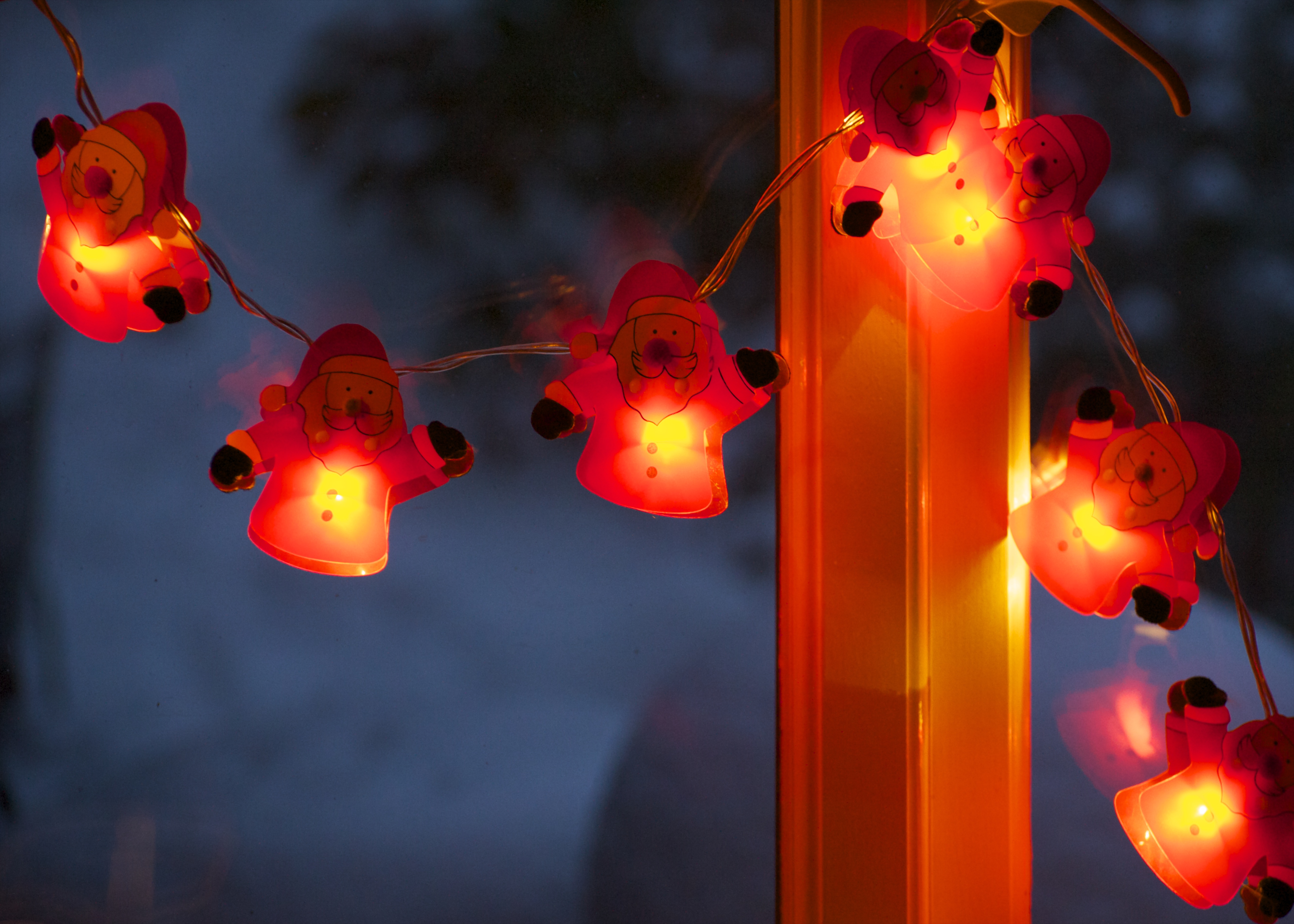
LB and the Christmas market

LB came back from his trip to the Christmas market today in fab spirits. He’d seen a girl he liked. An American girl wearing a baseball cap, gloves and an apron.

“Mum.”
“Yes?”
“Mum, she fancied me, Mum.”
“Cool.”
“Mum, she fancied me, Mum.”
“That’s super cool. How do you know she fancied you?”
“She looked at me, Mum.”
“Ah. Did you talk to her?”
“No, I was too shy Mum. Can I go to the Christmas market again, Mum?”
“Yeah, course you can. We’ll go again next year.”
“Thank you, Mum.”
“TO FANCY OR NOT TO FANCY? THAT IS THE QUESTION,” he shouted triumphantly, walking up the stairs.

The Club of the Lesser Valued

I’ve been thinking about ‘diagnosis’ a lot recently (see here for reflections on LB’s diagnosis) and, in particular, the process by which parents are given their children’s diagnosis of some form of impairment when the impairment ain’t obvious. This is partly because of a project I was tangentially involved with which explored the experiences of mothers of children with cerebral palsy.  One of the main findings of that study was that participants were angry and upset when they found out that the diagnosis of CP was discussed among medical professionals several months (or longer) before it was disclosed to them.

In discussion, the paediatrician on the research team said that diagnosis was probably delayed because CP can be difficult to diagnose and health profs didn’t want to unnecessarily alarm those parents of children who turned out not to have CP. Apparently around 20% of children, in her experience, would turn out not to have CP after presenting some possible symptoms.

Now, I ain’t no scientist, but I couldn’t help thinking that this meant that the feelings of 80% of parents were being sidelined in favour of the 20% of parents who, presumably, would be pretty chuffed to bits that their children didn’t have CP after all*. I couldn’t understand why the emphasis was on not upsetting the smaller number of parents.

I got to thinking that maybe it was to protect the health profession against some form of legal action for mis-diagnosis, but this doesn’t really hold as an explanation.  Paediatricians don’t have to authoritatively diagnose children at that early stage, but could, instead, suggest that one of the conditions they want to rule out is CP. Emphasising that this is a very tentative ‘could be’ at this stage.

An email exchange with fellow twitteree, @lizith, a PhD student, involved speculation that health professionals may feel a need to protect some parents from a diagnosis.  Some parents may not ready to accept a diagnosis. This argument has always struck me as a form of paternalism and doesn’t have much substance based on the accounts of parents I’ve interviewed in the past who have largely been very keen to know.

So I can only conclude that this focus on the feelings of the minority is a reflection of broader responses to disability and impairment. The 80% of parents of children with CP have joined a new club.  The Club of the Lesser Valued.  The complexity, depth and reach of the negativity associated with membership of this club continues to surprise and depress me.

*I can remember before LB was diagnosed, but once the health visitor had identified serious concerns with his development, I was told to take him to an interaction type group called something like Learn to Play. There were about six kids at the weekly group and a pre-school teacher counsellor. I think we were all in a pre-diagnosis liminal state, so the atmosphere was pretty weird.  Apart from one little dude, Elliot, the kids tended to do their own thing.  The parents sat awkwardly talking about anything other than what we were doing there. One week, Elliot’s dad turned up with a bag from the Early Learning Centre. At the end of the session, he gave each child a little wooden Brio train.It turned out that Elliot had been released back into the mainstream and wouldn’t be returning to the group. Still makes me feel weepy, remembering that moment. Suspect Elliot’s parents don’t give it an awful lot of thought.   

Youtube, patience and frustration

LB made a youtube film last week. A film about the Canterbury Park and Ride bus. He chose the photos he wanted to use, the words, the music and the title slides. I put it together for him. On Sunday night he came back from his dad’s pretty agitated. The film (56 seconds) wasn’t long enough and he wanted it to have two buses.

“Ok,” I said, “we’ll make a longer version when you get back from after school club tomorrow.”

Continue reading

The farm and the alpacas

On Saturday we decided to go and visit the farm/cafe/campsite that LB works at with his sixth form, two days a week. It was near a local village.  We set off, got to the village and there was a sign to the farm. Easy peasy.

“What animals has the farm got, LB?” asked Tom, sitting in the back of the car with him.
“Alpacas”, replied LB.
“Alpacas???” we spluttered.
“Yes.”
“Has it got any sheep?” asked Richy.
“Yes.”

We kept driving along the narrow lane and reached another village. Weird.

“Are we going the right way, LB?” I asked.
“Yes.”

We carried on driving till we reached a crossroads.

“Which way now, LB?”
“This way,” he said, vaguely pointing to the left.

Five minutes later we crossed back over the dual carriageway.

“This can’t be right…” Richy said, “We’re nearly back to Homecity”.
“Is this the right way, LB?” I asked, beginning to chuckle.
“Yes, Mum.”
“Are we near it, LB?” asked Richy, getting exasperated.
“Dunno,” said LB.
“I can’t believe we can’t find it”, I said, “there was a sign way back..”
“I can’t believe we can’t find it when we’ve got the bloke who works there in the car with us,” growled Richy.
“Which bloke?” asked LB.

Alpacas at the farm

The bath

“Mum.”
“Yes?”
“Mum.’
‘Yes?’
‘Mum.’
‘What? I can’t hear you – I’m in the bath.”
“MUM.”
WHATDOYOUWANT?
“MUM ARE MY BUSES* IFWEPOIHPAIEHPAW MUM?”
“WHAT? I CAN’T UNDERSTAND WHAT YOU’RE SAYING.”
“MUM ARE MY BUSES IFWEPOIHPAIEHPAW MUM?”
“LB I CAN’T UNDERSTAND WHAT YOU’RE SAYING. SPEAK CLEARLY.”
“MUM ARE MY BUSES ROADWORTHY?”
“YES LB.”
“THANK YOU MUM.”

* LB has chosen two Canterbury Park and Ride die cast buses with his birthday money. For the geeky among you (or for those with little dudes who love buses), here’s the link.

LB, the bugs and the rubbish bin

Faithful blog followers may have recognised a bit of a rubbish bin theme developing here. There was the hanging out in the swing bin era and the time LB chucked the egg of trust in the bin. Tonight, it’s another bin tale.

A few years ago we had a family get-together at our gaff and my two young nephews turned up with an electronic bug each they’d just got from a local shop (well a pretty cool local shop really, so I shall give em a plug here)*.

Continue reading

(More) tales of the unexpected

Wow. I am reeling. Seriously in shock.

We’ve seen LB onto his school bus (which is now a car) for years and years and years. I’ve lost any inhibitions about being seen in public (and we live on a very public street) in pyjamas, daggy dressing gowns, frightwig hairhead as I’ve waved him off. And he’s never once waved back.

Continue reading

Prick or prank?

“Ok, LB. I’m going to get the washing in and then we’re off.”

“Prick.”

“Wha? Whatdidyousay????”

“Per…prank Mum. I said prank. Not prick. I’m sorry Mum. I won’t say it again Mum.”

The missing money and the ipatcher

Back from work this evening and, as agreed with Tom, start investigating why Sims 3 isn’t working. The ipatcher keeps quitting before it installs. Yep. That’s what I’ve been told. And the challenge is on.

Continue reading

LB, the unlikely ethnographer

I’ve mentioned Garfinkel before on this blog, in relation to old Chicken Bone Man and the extreme porn.  (And for the geeky among you, here is a lovely conference paper about Garfinkel, space and the achievement of the ordinary.)  I used to think having a dude like LB was like having a permanent little rule breacher.  Now I’m beginning to think a bit differently.

I’m starting to think of learning disabled/autistic peeps more as unlikely ethnographers than rule breachers. Unlikely ethnographers of normality.

Here’s an example.

LB said he’d wait in the car when I needed to get some milk the other day. I rushed into the shop, bought the milk and walked  back across the car park towards the car. I could see LB in the back of the car looking my way. I waved to him. Nothing. I did an even bigger wave. Nothing.  I waved like I was in the audience greeting the return of Nelson Mandela from Robben Island. Not a movement. He just watched me.

“LB, next time I wave at you, can you wave back at me?” I asked, exasperated, when I opened the car door.
“Why Mum?” he asked.